
Intel Celeron G3900
4.6Editor score
Dual core 2.80 GHz base
Low 54 watts TDP rating
Affordable price point available
This guide compares the top low power CPU options for efficient computing, NAS, and home servers, highlighting performance and energy savings across ten models.
Finding the right low power CPU is essential for building energy efficient systems that run quietly and cool. Whether you need a home server or office PC, these processors save electricity while delivering reliable performance.
We evaluated ten top rated processors based on core count, thermal design power, and real world efficiency. Our analysis covers Intel and AMD options suitable for various budgets and workstation requirements.
Each pick shows key specs, ratings, and where to buy. Prices fluctuate often so check current listings before ordering. This list helps you choose the most efficient chip for your specific build needs today.
4.6Editor score
4.7Editor score

4.1Editor score
The following table offers a side by side comparison of all ten low power CPU options analyzed in this guide. Review core counts, cache sizes, socket types, and key features to find the best match for your motherboard and usage scenario.


The Intel Core i7-6700T stands out as a top low power CPU with strong efficiency ratings. This tray CPU delivers reliable multi core performance while keeping heat output minimal for quiet builds.
We may earn a commission when you buy through this link, at no additional cost to you.
Featuring four cores and eight threads at 2.8GHz, this processor handles everyday tasks and light multitasking well. The 35W TDP ensures it draws less power than standard desktop chips, ideal for 24/7 operation.
Trade-offs include its age and lack of overclocking support. However, for users prioritizing stability and energy savings over raw speed, these limitations are acceptable and expected for T-series chips.
Buyers building home labs or mini PCs should consider this chip. It balances performance and efficiency better than many alternatives in its class, making it a trusted choice for efficient computing.
The 35W TDP means this CPU generates minimal heat, allowing smaller heatsinks to cool it effectively without noise.
Its power savings make it perfect for servers or media centers that run continuously without excessive electricity costs.
We may earn a commission when you buy through this link, at no additional cost to you.
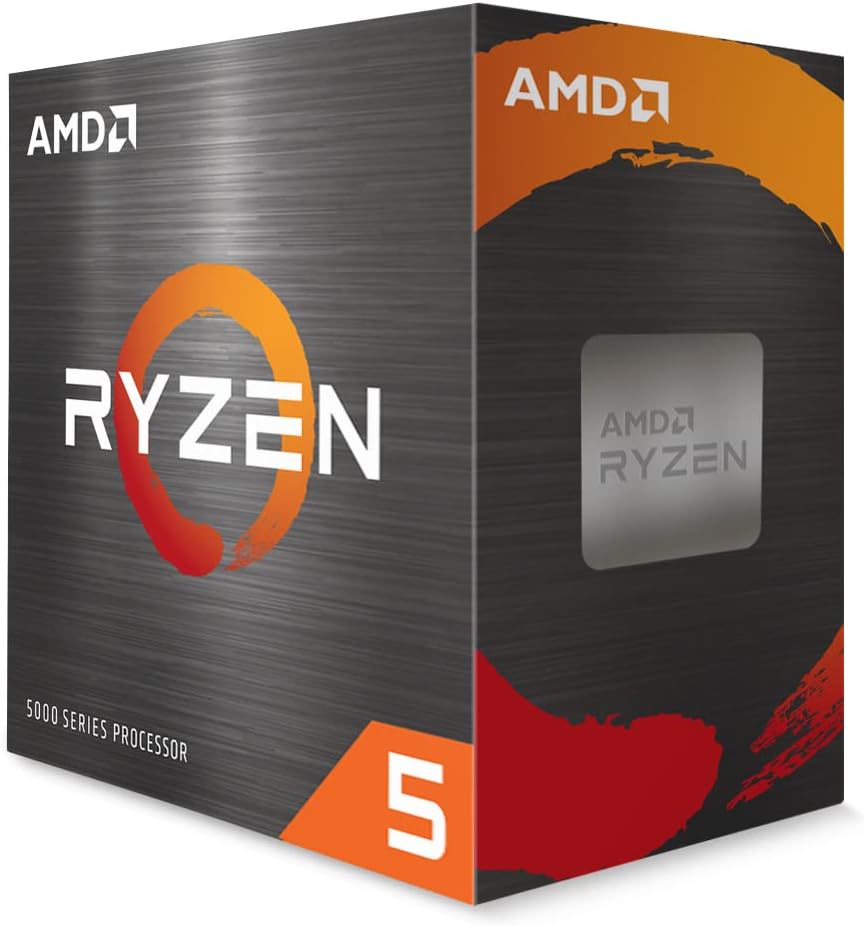
The AMD Ryzen 5 5500 offers exceptional value as a low power CPU option for modern systems. Its six cores and twelve threads provide smooth multitasking and gaming performance without excessive power draw.
We may earn a commission when you buy through this link, at no additional cost to you.
Boasting a 4.2GHz max boost and 19MB cache, this unlocked processor handles demanding applications efficiently. It supports DDR4-3200 memory for fast data access and responsive system performance overall.
While it uses a 65W TDP and needs a discrete GPU, its performance per watt remains competitive. The included cooler helps manage heat without adding extra cost to your build budget.
Gamers and home office users will appreciate its versatility. It delivers high FPS in popular titles while staying within reasonable power limits for efficient daily operation.
This CPU delivers high performance relative to its power use, making it cost effective for gaming and workloads.
Socket AM4 allows easy future upgrades to other Ryzen CPUs without replacing your motherboard for better longevity.
We may earn a commission when you buy through this link, at no additional cost to you.
The Intel Celeron G5900 provides a straightforward low power CPU solution for basic computing needs. Its dual core design ensures adequate performance for web browsing, office work, and media playback efficiently.
We may earn a commission when you buy through this link, at no additional cost to you.
Running at 3.4GHz with LGA1200 socket compatibility, this processor fits modern 400 series chipsets well. It supports Intel Optane Memory to speed up system responsiveness with minimal power overhead.
Limitations include only two threads, which restricts multitasking heavy tasks. For users who need a simple reliable system, this constraint is minor and acceptable for the price.
This chip is ideal for home PCs or kiosks. It keeps energy use low while providing enough speed for daily routines without demanding advanced cooling or power supplies.
Compatibility with Intel 400 series ensures easy integration into current motherboards without BIOS updates or issues.
The 58W TDP keeps power bills low for machines used primarily for light applications and general productivity.
We may earn a commission when you buy through this link, at no additional cost to you.
The Intel Core i7-2600S serves as a solid low power CPU for upgrading legacy systems efficiently. Its S-series designation indicates reduced power consumption compared to the standard i7-2600.
We may earn a commission when you buy through this link, at no additional cost to you.
Featuring four cores and eight threads, it maintains strong multi-threaded performance. The optimized cache subsystem and higher memory bandwidth ensure fast data access for data-intensive tasks.
Its age means lower base frequencies and DDR3 support only. However, users with existing LGA1155 boards can refresh performance without replacing the entire system for better value.
This processor suits enthusiasts reviving older desktops. It offers a balance of power savings and computational strength suitable for office work and light creative projects.
Enhanced cache subsystem delivers faster data transfer, improving responsiveness in multi-threaded applications.
The S-series reduces power draw significantly while keeping core counts high for better thermal and energy efficiency.
We may earn a commission when you buy through this link, at no additional cost to you.
The AMD Athlon 200GE is an affordable low power CPU with built-in Radeon Vega graphics for versatile use. It delivers reliable computing without needing a separate GPU for most tasks.
We may earn a commission when you buy through this link, at no additional cost to you.
With two cores and four threads at 3.2GHz, this chip handles web surfing and media smoothly. The 35W TDP ensures minimal power draw and silent operation in compact cases.
Performance limitations include light gaming capability and fewer cores. However, for basic home PCs, the integrated graphics and upgrade path make it a practical and efficient choice.
Buyers seeking a cheap silent PC should consider this. It offers enough performance for daily needs while maintaining excellent energy efficiency and low heat output.
Radeon Vega 3 allows video and light gaming without extra hardware, saving cost and power in small builds.
Socket AM4 lets you upgrade to Ryzen CPUs later, extending system life without changing the motherboard.
We may earn a commission when you buy through this link, at no additional cost to you.
The Intel Celeron G3900 offers a cost-effective low power CPU solution for entry-level desktops. It provides essential computing power while keeping energy consumption low for budget builds.
We may earn a commission when you buy through this link, at no additional cost to you.
Its dual core design runs at 2.80GHz with direct media interface support. The Skylake architecture ensures decent performance for office apps and web browsing with minimal power draw.
Lacking hyperthreading and having small cache limits heavy multitasking. For single task or light multi use, these trade-offs are acceptable for the price and efficiency it delivers.
Ideal for students or basic home PCs, this processor keeps system costs low. It is a dependable choice for users needing a simple reliable computer without high power usage.
The 8 GT/s direct media interface ensures fast communication between CPU and chipset for responsive system performance.
With 51W TDP, this CPU reduces electricity bills and heat, perfect for small or always-on PCs.
We may earn a commission when you buy through this link, at no additional cost to you.
The Intel Celeron G4900 provides reliable low power CPU performance for basic office environments. Its 3.1GHz base frequency ensures smooth operation for spreadsheets and document editing.
We may earn a commission when you buy through this link, at no additional cost to you.
This dual core processor works with Intel 300 series chipsets effectively. It includes a thermal solution to maintain safe temperatures while keeping power use at 54W for efficiency.
Limitations include smaller cache and lack of multithreading. For straightforward tasks, these are minor downsides that do not affect typical productivity workflows negatively.
Schools or small offices benefit from its affordability and efficiency. It delivers consistent performance without requiring advanced cooling or high wattage power supplies.
Ensures easy integration with existing motherboards for seamless upgrades or new builds using supported chipsets.
Provides necessary cooling out of the box, saving extra cost and ensuring safe operation immediately.
We may earn a commission when you buy through this link, at no additional cost to you.
The Intel Celeron G3900 variant with SR2HV ID offers a compact low power CPU solution for small form factors. It balances essential processing with minimal power draw effectively.
We may earn a commission when you buy through this link, at no additional cost to you.
Operating at 2.80GHz with Integrated HD Graphics 510, it handles display tasks without a discrete card. The 51W TDP keeps heat low for silent and efficient operation.
It does not include a fan or paste, so cooling must be sourced separately. This suits custom builds where users select specific coolers for space or noise constraints.
Users building media centers or mini PCs will value its efficiency. It fits well in tight cases where thermal management is critical and power savings matter.
Intel HD Graphics 510 handles basic video output, reducing the need for a separate GPU in compact builds.
This feature adds reliability for data-sensitive applications without sacrificing power efficiency significantly.
We may earn a commission when you buy through this link, at no additional cost to you.
The Intel Celeron G5905 offers a higher clock speed low power CPU option for compatible motherboards. Its 3.5GHz base frequency ensures responsive performance for light workloads efficiently.
We may earn a commission when you buy through this link, at no additional cost to you.
Designed for FCLGA1200 socket motherboards, it provides easy installation and compatibility with newer chipsets. The boxed version includes necessary components for immediate setup and use.
While limited to two threads, the speed handles routine tasks smoothly. For users needing simple reliable PCs, this trade-off is acceptable for the power savings it delivers.
This processor is ideal for budget builds needing a bit more speed. It maintains energy efficiency while providing the headroom for basic multitasking demands.
The 3.5GHz base clock delivers faster single-threaded performance, improving responsiveness in daily tasks.
Includes standard retail packaging with cooler, simplifying installation and ensuring safe delivery.
We may earn a commission when you buy through this link, at no additional cost to you.
The Mini-ITX Motherboard with Quad-Core CPU offers a complete low power CPU solution for home servers and NAS builds. It combines an 8th-gen U-series chip with versatile I/O on a compact board.
We may earn a commission when you buy through this link, at no additional cost to you.
With quad-core eight-thread performance up to 3.9GHz and just 15W TDP, this package outperforms mainstream N-series chips. It supports VT-x and VT-d for efficient virtualization and network security tasks.
Trade-offs include potential sleep mode issues and power connector complexity. However, for dedicated servers needing low power and high connectivity, these are manageable with proper setup.
Enthusiasts building firewalls or media centers will find this ideal. It offers superior performance and networking in a tiny footprint with minimal electricity usage.
The CPU exceeds N100 chips in raw performance, ensuring smooth operation for storage and network security applications.
VT-x and VT-d enable smooth virtual machine operation, perfect for hosting multiple services on one efficient server.
We may earn a commission when you buy through this link, at no additional cost to you.
Selecting the best low power CPU requires evaluating several key factors. These considerations help match the processor to your system and energy goals.
TDP indicates maximum heat and power output. Lower TDP means less electricity and heat, ideal for silent or always-on systems.
Look for TDP under 65W for efficiency. Ultra-low 15W or 35W chips suit mini PCs and NAS devices.
More cores allow better multitasking. Two-core CPUs suit basic use; four to six cores handle heavier workloads.
Choose at least four cores if you run multiple apps. For simple browsing or office work, two cores may suffice.
The socket type must match your motherboard. Common types include LGA1151, LGA1200, and AM4. Ensure compatibility before buying.
Check your board manual or website for supported CPUs. Mismatched sockets prevent installation and render the CPU unusable.
Integrated graphics eliminate the need for a dedicated GPU. Radeon Vega or Intel HD chips can handle video and light gaming.
If you need a display without a GPU, pick a CPU with integrated graphics. It saves cost and reduces power draw.
CPUs support specific RAM types and speeds. DDR4 is standard now; ensure your CPU matches your memory module for best performance.
Verify supported speeds like 2667MHz or 3200MHz. Using mismatched RAM can limit performance or cause instability.
Virtualization like VT-x allows running multiple OS systems. Essential for home labs, servers, or testing environments.
Check product specs for VT-x and VT-d support. These features enable smooth virtualization tasks and server operations.
Low TDP CPUs often need small coolers. Some come bundled; others require separate purchases. Ensure your case has airflow.
Select a cooler matching TDP and space limits. Silent fans are ideal for always-on systems to reduce noise.
Future upgrades save money long-term. Platforms like AM4 allow CPU swaps without changing motherboard for better longevity.
Research chipset support lifespan. Older sockets may lack newer CPU options, limiting future performance gains.
Install the CPU carefully aligned with socket marks. Apply thermal paste thinly on the IHS before attaching the cooler securely.
Ensure proper airflow in your case to manage heat. Keep vents clear of dust and use fans to maintain consistent temperatures.
Update BIOS and drivers regularly for stability. Monitor temperatures with tools like HWMonitor to ensure efficient long-term operation.
A low power CPU uses less electricity and produces less heat than standard desktop processors. These chips often have TDP ratings under 65 watts, making them ideal for quiet PCs, mini systems, and always-on home servers that require energy efficiency.
Basic low power CPUs like Celerons are not suited for modern gaming. However, some Ryzen or older i7 low power models offer enough performance for light gaming when paired with a decent GPU. Always check benchmark results for your target game.
Home servers run continuously so electricity savings matter. Low power CPUs consume less wattage, reducing bills and heat. They handle file sharing, NAS, and basic virtualization without needing powerful cooling systems or high voltage power supplies.
Some boxed versions include coolers while tray or OEM versions do not. AMD CPUs usually ship with coolers whereas Intel T-series might not. Always verify packaging details before purchase to avoid extra costs.
Lower TDP limits heat output and power draw but may reduce maximum frequency. For efficiency and stable daily use, lower TDP is beneficial. For peak performance, higher TDP allows faster clocks at the cost of heat and electricity.
Upgrading depends on socket compatibility. Newer low power CPUs need newer sockets. Always check motherboard BIOS support before buying to ensure recognition. If unsure, choose a CPU that matches current hardware to avoid extra expenses.
Both offer great low power options. Intel T-series provide fixed lower power with stable performance. AMD Ryzen offers unlocked performance with better core counts. Choose based on platform support, socket compatibility, and specific feature needs.
Use tools like HWMonitor, Open Hardware Monitor, or manufacturer software to track power draw. Check BIOS or task manager for estimated usage. This helps confirm efficiency and ensure your power supply matches system needs.
This guide covered ten top low power CPUs including the Intel i7-6700T, AMD Ryzen 5 5500, and Mini-ITX Quad-Core boards. Each offers unique advantages for efficiency and performance in different scenarios.
Prioritize TDP and socket compatibility when buying. Match core count to workload needs. Whether you need a silent mini PC or efficient NAS, balance power savings with performance demands.
Prices change often so verify current listings before ordering. Check reviews and availability to ensure the best deal. With these tips, you can build a quiet efficient system that saves energy and money.