
Construction Adhesive Fast Curing
4.2Editor score
Extra nozzle included for convenience
Fast curing polyester resin
No expansion pressure needed
Ideal for hollow materials with sleeve
This guide compares the top ten chemical anchors for concrete based on strength, curing time, and ease of use to help you choose the right system for your
Chemical anchors provide a reliable solution for securing heavy loads in concrete, masonry, and stone. They bond deeply into the base material to offer superior holding power compared to mechanical expansion anchors, making them ideal for critical structural applications.
We evaluated ten leading chemical anchoring systems based on strength, curing speed, and versatility. Our analysis covers epoxy and polyester resins designed for various conditions, ensuring you find a product that meets your specific structural and environmental needs.
Each pick highlights key features like working time, load capacity, and application tools. These selections represent the best options available today, but product availability and pricing can change quickly, so verify current details before purchasing.
4.2Editor score
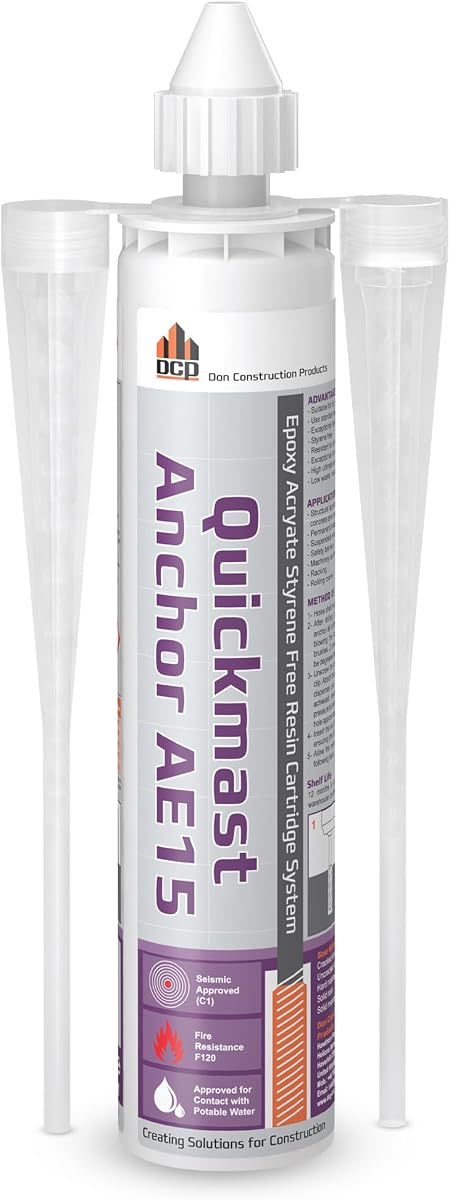
4.5Editor score
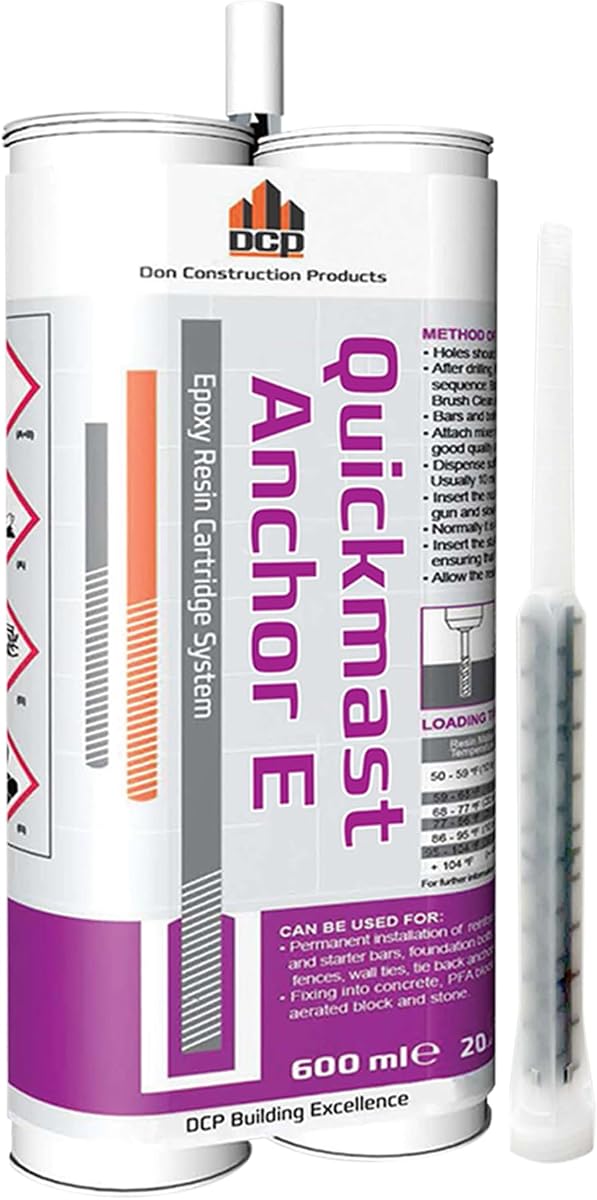
4.7Editor score
The following table provides a side-by-side comparison of the top chemical anchoring systems available today. We highlight key specifications such as volume, working time, and application conditions to help you differentiate between options quickly.





This anchoring epoxy stands out as a versatile and fast option for concrete projects. It delivers high strength bonds quickly, making it ideal for time sensitive jobs.
We may earn a commission when you buy through this link, at no additional cost to you.
Its ability to cure rapidly in wet conditions sets it apart from competitors. The 40 to 145 minute curing window allows you to load anchors much sooner than traditional systems.
While it performs well, the single cartridge limits volume for larger jobs. Users must ensure proper hole cleaning to maintain the promised strength.
Choose this if you need a reliable solution for heavy loads with minimal waiting. It balances speed and strength effectively for most applications.
Unlike many epoxies, this system bonds effectively in flooded holes. This makes it perfect for outdoor or leak prone environments.
It adheres strongly to concrete, masonry, stone, and rock. This versatility simplifies planning when working with mixed structural materials.
We may earn a commission when you buy through this link, at no additional cost to you.
This product offers a cost effective entry into chemical anchoring for lighter projects. It uses a fast curing polyester resin that simplifies installation.
We may earn a commission when you buy through this link, at no additional cost to you.
The inclusion of an extra nozzle adds value, reducing downtime between jobs. It handles solid materials well and avoids the pressure risks of mechanical anchors.
It is not as strong as premium epoxies and requires a sleeve for hollow blocks. For light duty tasks, it remains a practical choice.
Buy this if budget is a primary concern and loads are moderate. It saves money without sacrificing basic anchoring security.
The resin fills voids without expanding. This prevents damage to sensitive materials like brick or hollow block.
An extra mixing nozzle is included. This ensures you always have a clean tool ready for precise application.
We may earn a commission when you buy through this link, at no additional cost to you.
This system is designed for demanding jobs where volume and strength matter. The dual cartridge provides enough resin for multiple large anchors without interruption.
We may earn a commission when you buy through this link, at no additional cost to you.
Its extended working time allows for precise positioning of heavy rebar. The bond is strong enough for railway tracks and ground anchors.
It requires a dual cartridge gun and costs more than standard options. However, the efficiency and reliability justify the investment for pros.
Select this for large scale or high load projects. It ensures consistent performance across multiple deep anchors.
With over 20 ounces of resin, you can complete multiple anchors per cartridge. This reduces waste and setup time on big sites.
You gain up to 20 minutes to position fasteners. This prevents re drilling mistakes in deep or tight holes.
We may earn a commission when you buy through this link, at no additional cost to you.
This epoxy is tailored for quick, small scale repairs where appearance matters. Its gray color blends into concrete, hiding visible anchor heads.
We may earn a commission when you buy through this link, at no additional cost to you.
It sets in just 12 minutes, speeding up light tasks. The tube application is mess free and easy for DIY users without special guns.
The small size limits it to few anchors per tube. The fast set leaves little room for error in positioning.
Use this for cosmetic repairs or limited anchors. Its discreet finish and speed make it a smart pick for homeowners.
The gray color matches existing concrete. This reduces the visual impact of anchor points in finished areas.
It resists solvents and chemicals. This protects the anchor in industrial or garage floor settings.
We may earn a commission when you buy through this link, at no additional cost to you.
This product is a core component for chemical anchoring rather than a complete resin kit. It offers high quality steel for the actual mechanical load.
We may earn a commission when you buy through this link, at no additional cost to you.
Its M8 size and tensile steel ensure it handles high loads safely. It pairs perfectly with Fischer resins for maximum system integrity.
You must buy the epoxy separately to use it. The pack size helps with multiple installations without frequent reorders.
Buy this when you need reliable rods for structural projects. It complements chemical resins with superior metal quality.
Using a dedicated anchor rod prevents core failure. This ensures the metal core handles the load while resin distributes shear.
The rods are made with consistent tolerances. This ensures a tight fit in drilled holes for better adhesion.
We may earn a commission when you buy through this link, at no additional cost to you.
This epoxy is designed for high safety standards, making it suitable for potable water environments. It cures quickly and bonds well to concrete.
We may earn a commission when you buy through this link, at no additional cost to you.
Its lack of styrene and solvents reduces health risks. The narrow tip aids precise placement, ensuring consistent results.
You must clean holes thoroughly with a brush and pump. This extra step ensures the epoxy bonds directly to the concrete.
Choose this for health sensitive or public infrastructure projects. It offers professional strength with safety certified materials.
Free of styrene and solvents, it reduces fumes. This is crucial for enclosed spaces like water treatment plants.
It fits most applicator guns without adapters. This simplifies workflow on sites using standard equipment.
We may earn a commission when you buy through this link, at no additional cost to you.
This bundle combines resin with a high thrust gun for better control. It is designed for efficiency on sites needing multiple large anchors.
We may earn a commission when you buy through this link, at no additional cost to you.
The 25:1 thrust ratio ensures smooth dispensing of the thick resin. This accuracy reduces waste and improves anchor quality.
It is heavier and pricier per unit, but the gun saves money elsewhere. It is an ideal kit for contractors doing volume jobs.
Buy this if you need a complete system for rebar and rods. It simplifies logistics by providing tools and epoxy together.
The 25:1 ratio makes dispensing smooth. This allows better control when filling deep holes evenly.
Including a gun reduces setup steps. This streamlines your workflow for faster job site starts.
We may earn a commission when you buy through this link, at no additional cost to you.
This anchor is built for heavy machinery and conveyor belts. Its zinc plated steel resists corrosion, while internal threads secure the load.
We may earn a commission when you buy through this link, at no additional cost to you.
It is rated for 4000 PSI concrete, offering strong tensile strength. The vibration resistant design keeps machinery secure over time.
It is sold individually, which can add up on large projects. You must source the resin separately, complicating purchase logistics.
Use this for industrial machinery where vibration is a risk. It offers reliability and durability for heavy duty needs.
It handles continuous vibration without loosening. This makes it ideal for motor mounts and conveyor systems.
Internal threads allow easy nut installation. This simplifies mounting equipment directly to the anchor head.
We may earn a commission when you buy through this link, at no additional cost to you.
These filters are essential for overhead applications where gravity threatens to leak resin. They retain the adhesive inside the hole.
We may earn a commission when you buy through this link, at no additional cost to you.
They allow processing at temperatures as low as minus 30 degrees Celsius. This flexibility expands the range of usable conditions.
They are an accessory rather than a standalone anchor. You must pair them with Fischer cartridges for full functionality.
Use this for ceiling or overhead installations. It ensures resin stays where it is needed for a solid bond.
Filters prevent dripping during upward injection. This ensures full hole fill without wasted resin.
They work well in cold climates. This allows outdoor anchoring even in winter months.
We may earn a commission when you buy through this link, at no additional cost to you.
This system meets strict engineering codes for professional construction. It works in cracked and uncracked concrete, offering broad applicability.
We may earn a commission when you buy through this link, at no additional cost to you.
It allows smooth holes without roughing the interior. This saves time and effort during the drilling and cleaning process.
It is available in small sizes, which may limit bulk use. Ensure your gun fits the cartridge to avoid application issues.
Choose this for structural builds requiring code approval. It offers compliance and ease of use in varied conditions.
It meets IBC and IRC building codes. This is crucial for inspections on large structural projects.
No roughing of holes is required. This saves labor while maintaining full adhesion strength.
We may earn a commission when you buy through this link, at no additional cost to you.
Selecting the right chemical anchor depends on material compatibility, load requirements, and site conditions. Understanding key factors ensures your anchor holds safely over time.
Every product has different tensile and shear ratings. Match the anchor to the weight of your object to prevent failure. Heavier loads need high strength epoxies over simple adhesives.
Choose a system rated for the specific loads you plan to hang or install.
Chemical anchors work on concrete, masonry, stone, or brick. Ensure the product supports your base material to avoid poor bonding. Some work better on porous stone than solid concrete.
Always check the label for material lists before purchasing for specific structures.
Working time is how long you have to position the rod. Curing time is how long until it holds. Fast set is quick but leaves little room for error in alignment.
Select longer working times for complex installations and fast curing for simple projects.
Some anchors work in cracked concrete while others do not. Check if the product is certified for cracked or uncracked conditions. Filled or hollow blocks need specific techniques.
Use systems rated for your base state to ensure a secure structural bond.
Temperature and moisture impact curing. Some products work in flooded holes, while others need dry conditions. Cold weather slows curing significantly, requiring specialized formulas.
Check temperature limits before using in outdoor or extreme climates.
Cartridges need standard or dual applicator guns. Ensure you have the right tool for the cartridge type. Some kits include a gun, while others require you to buy one.
Verify tool requirements to avoid delays on the job site.
Products come in small tubes for few anchors or large cartridges for bulk use. Calculate how much resin you need based on hole size and count. Larger cartridges reduce waste for big jobs.
Buy appropriate volumes to balance cost and usage for your project.
Structural projects often require codes like IBC or IRC. Ensure the product meets these standards for approval. Some are safe for water systems, which is critical for plumbing.
Choose code compliant products for professional or public builds.
First, drill a hole to the specified diameter and depth. Clean it thoroughly with a brush and pump to remove dust and debris. A clean hole ensures the resin bonds directly to the concrete.
Next, inject the resin from the bottom of the hole upward. Fill the hole about two thirds to three quarters full to avoid air gaps. Insert the fastener slowly and twist slightly for even coverage.
Allow the anchor to cure without touching it. Protect the area from vibration or movement during this time. Wipe excess resin immediately before it hardens to keep the surface clean.
Curing times vary by product and temperature. Some epoxy systems set in 40 to 145 minutes, while others may take up to 24 hours. Always check the specific manufacturer guidelines for your product.
Some advanced systems work in flooded or wet holes. However, most require dry conditions to bond effectively. Look for products rated for wet or flooded concrete to avoid failure.
Epoxy offers higher strength and chemical resistance. Polyester is cheaper and cures faster for lighter jobs. Choose epoxy for heavy loads and polyester for light or small tasks.
Match the drill bit diameter to the anchor rod size. Manufacturers list the required hole size on the packaging. Drilling the wrong size can reduce holding strength significantly.
Many are safe indoors, but ventilation is recommended during mixing. Some options are free of styrene and solvents for better air quality. Check labels for safety ratings.
Calculate based on hole volume and number of anchors. Larger cartridges reduce waste for bulk projects. Always have extra resin in case of application errors or deep holes.
Most cartridges fit standard or dual cartridge guns. Check if the system needs a specific applicator. Buying a kit with the right gun simplifies the process.
You can use them with mesh sleeves for hollow materials. The sleeve keeps the resin in place for a strong bond. Without sleeves, resin may escape into voids.
The top picks highlight speed, value, and heavy duty reliability. DCP Quickmast AE15 offers speed and wet hole performance for general use. Construction Adhesive saves cash for light tasks.
Prioritize load capacity and base material compatibility when deciding. Ensure the system meets safety codes for structural work and use proper tools.
Always check current prices and availability before buying. Product offerings can change, so review specs to confirm your choice.