
ANYCUBIC Tough Resin 2.0
4.6Editor score
High precision details
Low odor formula
Strong elongation
This comprehensive guide compares the top 10 flexible resin for 3D printing options available in October 2026 for durability and precision.
Flexible resin for 3D printing offers creators the ability to produce parts that bend and stretch without breaking. Unlike standard resins, these materials simulate rubber or TPU properties. They are ideal for gaskets, phone cases, and wearable items requiring comfort and durability under stress.
We compared ten leading products based on hardness, flexibility, print speed, and user feedback. Our analysis covers diverse brands like ANYCUBIC, Siraya Tech, and SUNLU. Each entry highlights specific strengths to help you choose the right material for your unique project needs and printer capabilities today.
Every pick showcases key features and real-world applications. Note that prices change frequently due to demand. You should always check current listings before purchasing to ensure you get the best value for your investment in high-quality flexible printing materials now.
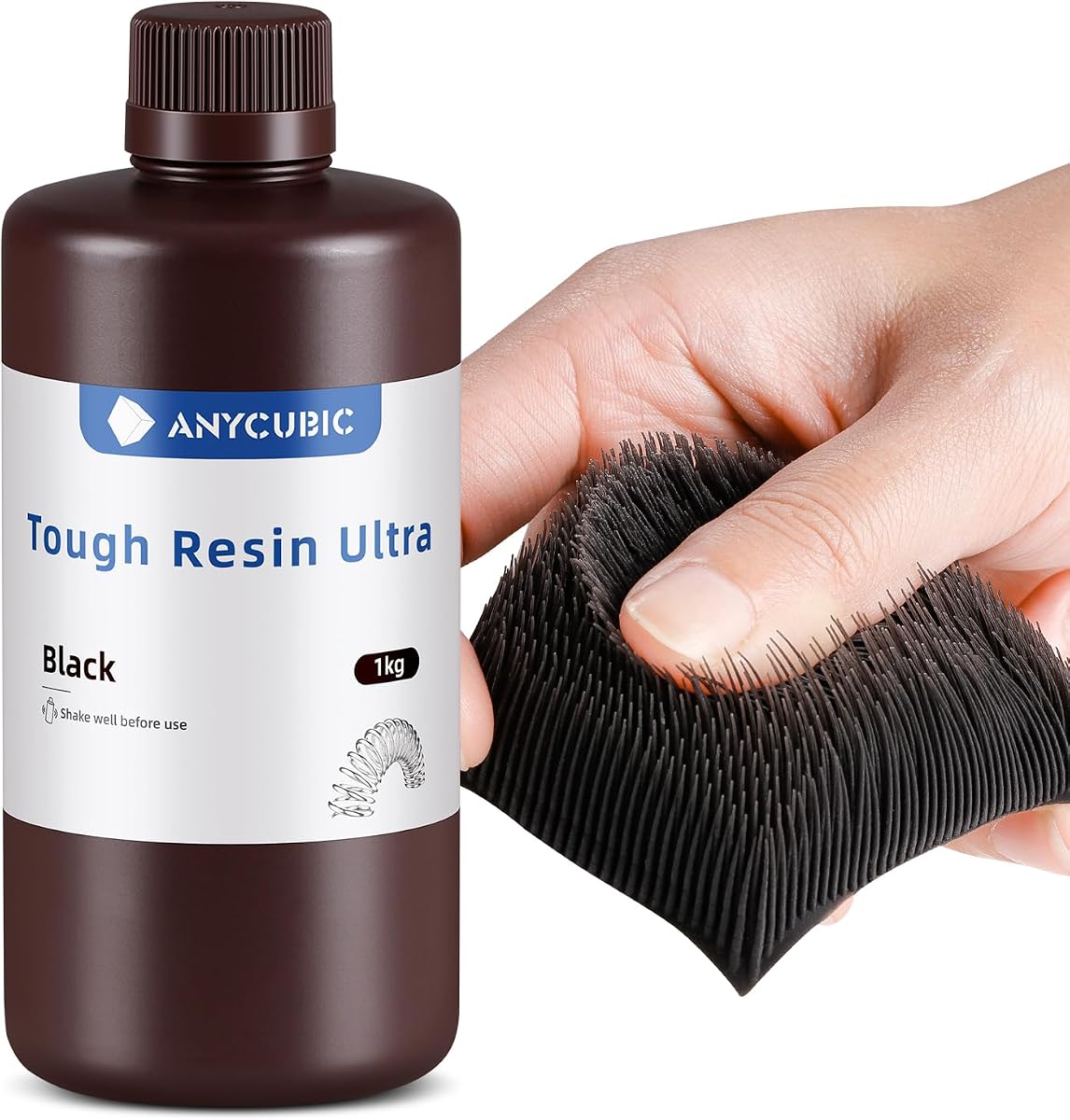
4.6Editor score
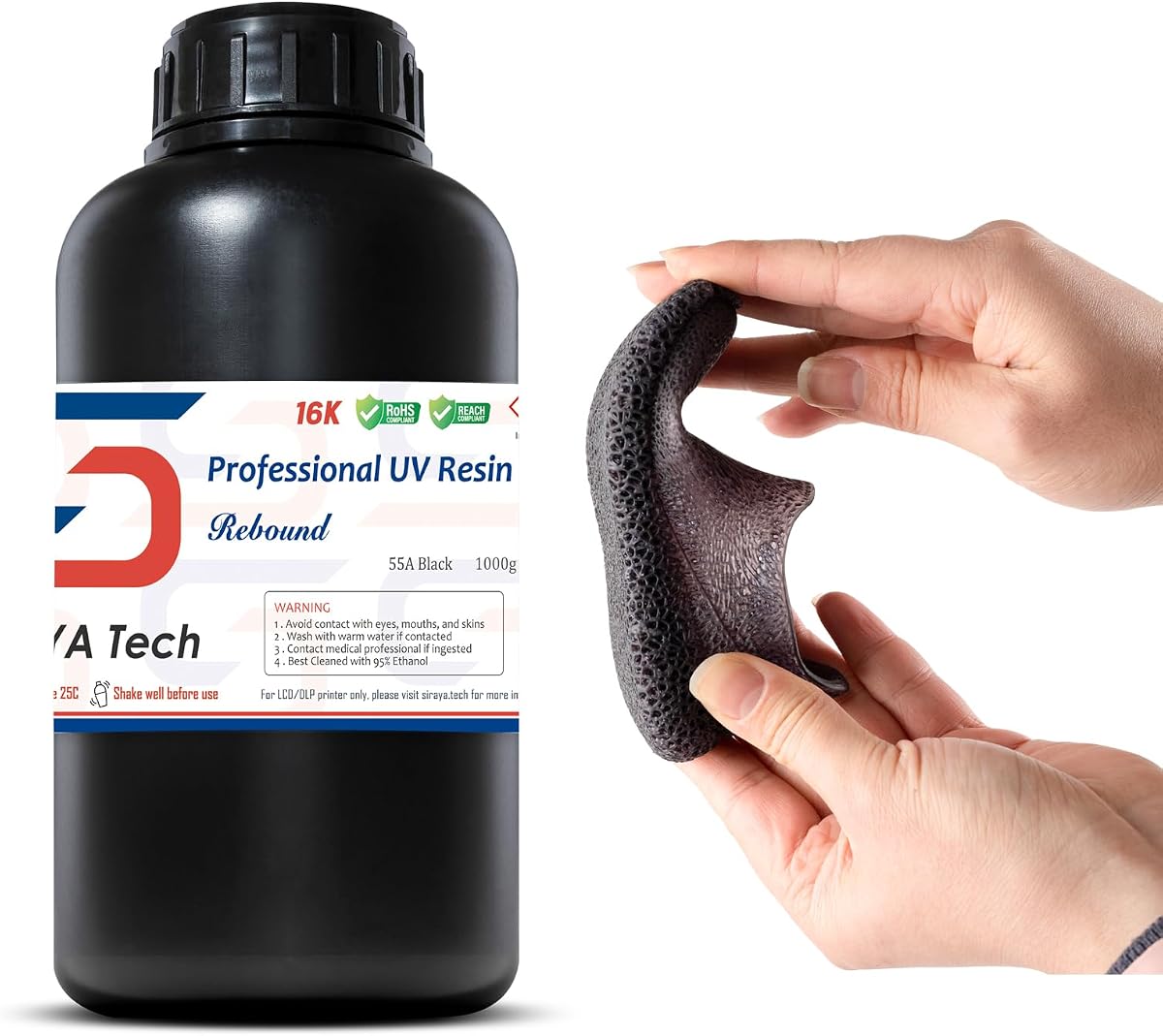
4.7Editor score
4.2Editor score
This table provides a side-by-side comparison of all ten products reviewed. It highlights key specifications and unique selling points for each resin. Use this guide to quickly identify which material aligns best with your specific printing requirements and desired outcome flexibility levels.


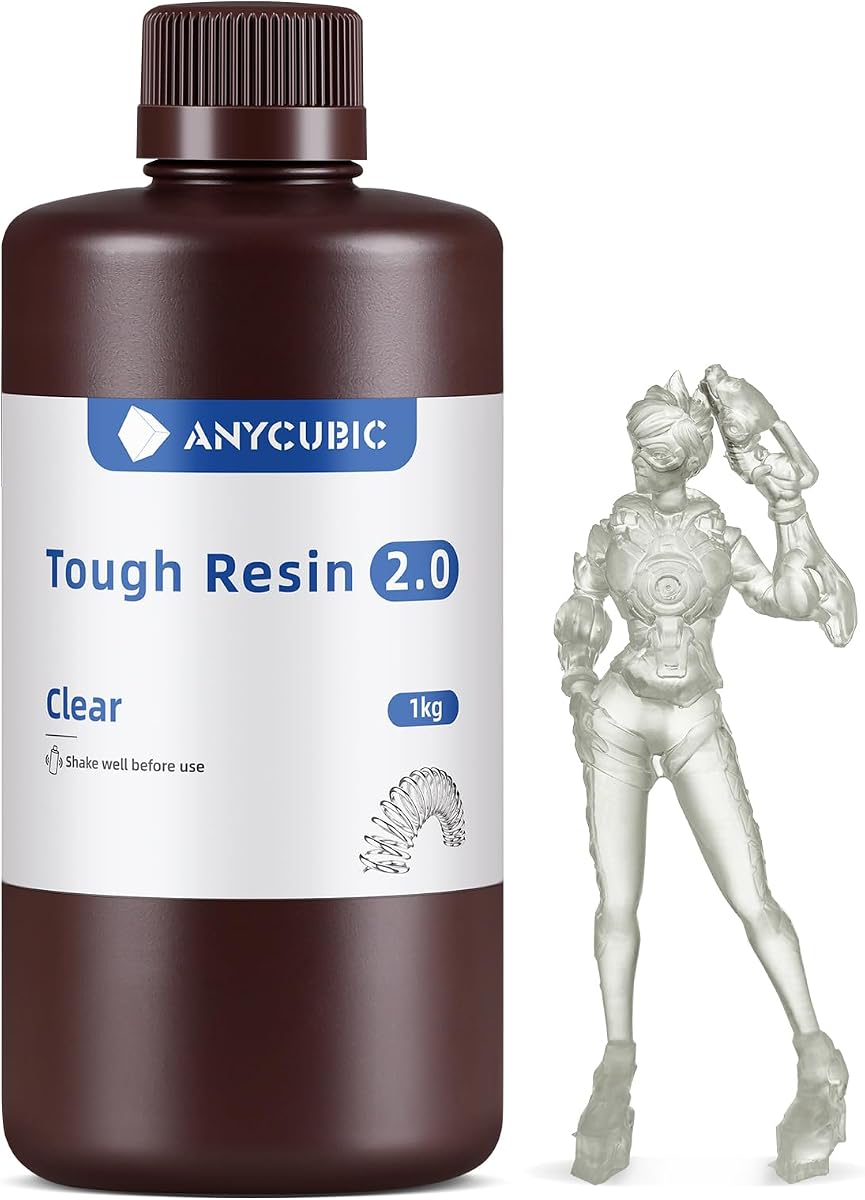

This resin delivers exceptional flexibility and toughness for users seeking reliable print performance. Its 4.7 rating reflects consistent user satisfaction with impact resistance and shape recovery. It stands out for crafting parts that need to withstand repeated bending without failing.
We may earn a commission when you buy through this link, at no additional cost to you.
The resin is designed for articulated models where parts must move seamlessly. Its clarity ensures hair-like textures appear sharp in prints. Users report a pleasant skin sensation after curing, making it ideal for wearable items. It also resists corrosion and brittleness even in high humidity.
While it is versatile as an additive, mixing it with other resins may alter final color tones. The price reflects its premium performance quality compared to standard options. These trade-offs are acceptable for projects requiring high durability and flexible movement in real-world applications.
Buyers looking for a balance of strength and flexibility should choose this product. It fits makers who need prints to survive drops and daily use without cracking. Its compatibility with most LCD printers makes it a practical choice for home and professional setups.
You can use it directly for tough models or mix it to enhance other resins durability.
Its non-irritating properties ensure skin-friendly results for personal accessories like earphone covers.
We may earn a commission when you buy through this link, at no additional cost to you.
This upgraded formula provides high toughness and precision at an accessible price. It rates well for strength that resists breaking in thin models. Users value the low-odor experience that makes printing more comfortable in enclosed spaces.
We may earn a commission when you buy through this link, at no additional cost to you.
The resin maintains high elongation which prevents peeling and stress marks from vibrations. It is optimized for 365-405nm wavelengths ensuring broad compatibility with common printers. Prints feature clear details and smooth surfaces suitable for functional parts and prototypes.
While it is tough, it is not as soft as pure elastomers. The grey color limits use if you need specific aesthetic shades. These factors are manageable since its primary goal is structural integrity rather than softness like rubber.
Select this resin for structural parts requiring durability and accuracy. It suits industrial designs where components must not crack under stress. Its friendly formulation and reliable results make it a strong value for regular makers.
High precision and minimal shrinkage ensure printed parts meet strict dimensional requirements reliably.
Reduced volatile organic compounds offer a more environmentally friendly choice for your workshop.
We may earn a commission when you buy through this link, at no additional cost to you.
This resin offers high elasticity with faster rebound than standard elastic materials. It rates well for applications requiring quick shape recovery. The 55A hardness balances flexibility with structural integrity for shock-absorbing components.
We may earn a commission when you buy through this link, at no additional cost to you.
Its ease of use avoids complex mixing processes found in some elastomers. It prints on standard LCD DLP printers and cleans with isopropyl alcohol. This simplicity speeds up prototyping for industrial and personal protective equipment designs.
Initial tests show promise but long-term performance over repeated cycles is still being verified. The price point reflects the specialized formula for fast rebound needs. These are fair trade-offs for projects where timing and elasticity are critical factors.
Choose this if you need shock absorption with rapid return. It suits designers focusing on prototypes that face impact often. Its accessible printing workflow makes it a top pick for advanced users.
Fast rebound action makes it excellent for parts needing immediate return after compression.
Printing and cleaning remain straightforward without requiring specialized mixing or handling steps.
We may earn a commission when you buy through this link, at no additional cost to you.
This product excels in print speed with layers curing in 1.7 seconds. It has a 4.4 rating for balancing softness and strength effectively. Its 80A hardness simulates hard flexible prototypes well for cushioning.
We may earn a commission when you buy through this link, at no additional cost to you.
Users report it enhances farm productivity by improving throughput significantly. It offers 100% elongation at break making parts robust for damping. The ISO 10993-5 test pass indicates safe cleaned post-cured prints for medical use.
The 500g size is smaller than competitors offering 1kg bottles. Proper cleaning and full post curing are essential to meet safety standards. These factors are minor considering the high speed and certified safety for specific applications.
Select this if you prioritize printing efficiency and verified safety. It fits large farms needing quick turnaround for functional prototypes. The clear variant helps with visual inspection during the curing process.
Fast curing times reduce idle periods on printers increasing overall output for farms.
ISO testing certification adds confidence for projects intended for biomedical or sensitive contact.
We may earn a commission when you buy through this link, at no additional cost to you.
This flexible formulation is softer than the classic Tenacious resin. It has a 4.7 rating for incredible elasticity and rapid shape recovery. Prints feel rubber-like and handle compression well without permanent deformation.
We may earn a commission when you buy through this link, at no additional cost to you.
It suits projects needing dynamic parts like gaskets or soft grips. The material withstands bending and protects against drops. As an additive it boosts toughness in tougher resins for custom blends.
It may not fit every application where the original was used due to softness changes. The 500g size may require multiple buys for large runs. These are acceptable trade-offs given its specialized performance for soft parts.
Buy this for flexible items needing high resilience. It is perfect for prototypes where a soft touch is key. Its blend capability adds value for customizing other prints.
Enhanced rebound offers superior flexibility compared to previous versions for soft tactile needs.
Mix small amounts with other resins to increase flexibility without losing structure.
We may earn a commission when you buy through this link, at no additional cost to you.
This resin offers balanced softness and strength at 70A hardness. It has a 3.5 rating indicating mixed user feedback on consistency. Prints bend without breaking and offer a smooth high-resolution finish.
We may earn a commission when you buy through this link, at no additional cost to you.
It has low shrinkage ensuring accurate size and shape in parts. The bottle design is leak-proof reducing transport damage risks. It tolerates weak acids and greases well for industrial environments.
The lower rating suggests potential challenges with printing parameters or curing. The gray color restricts use for clear or specific aesthetic requirements. These factors should be weighed against its stability and safety benefits.
Choose for stable prints where slight flexibility is needed. It suits manufacturing needs requiring tolerance to acids. Its low odor improves workshop comfort for longer sessions.
Patented leak-proof design protects bottles during shipping ensuring undamaged arrival.
Tolerance to weak acids prevents deformation in chemically exposed environments.
We may earn a commission when you buy through this link, at no additional cost to you.
This tough resin offers excellent flexibility and resistance to breaks. It rates 4.5 for high-strength physical properties. Prints recover quickly after deformation and withstand tension stress effectively.
We may earn a commission when you buy through this link, at no additional cost to you.
It resists brittleness and corrosion even in high humidity. The texture is fine and prints can be drilled without cracks. Low odor ensures comfortable use for extended production periods without irritation.
It is harder than soft rubber options with 84.7D Shore. Black color limits color matching for mixed prints. These factors suit structural parts rather than purely soft tactile items.
Select this for tools and fixtures requiring strength. It is ideal for end-use products needing durability. Its weather resistance ensures reliability in various conditions.
Drillability without cracking supports post-processing needs for mechanical assembly.
High humidity resistance prevents softening in damp workshop environments.
We may earn a commission when you buy through this link, at no additional cost to you.
This resin enhances toughness with elongation five times higher than standard. It rates 4.7 for unbreakable durability and accuracy. Prints maintain shape without cracking after wash and cure.
We may earn a commission when you buy through this link, at no additional cost to you.
Low viscosity improves flow for shorter curing time and easy formation. Reduced shrinkage minimizes distortion potential. Cleaning is easy with alcohol or ethanol saving time on post-processing.
It offers high accuracy but comes only in grey. Standard hardness may not suit soft rubber needs. These constraints fit most structural applications where durability is the priority.
Choose this for solid parts needing unbreakable strength. It suits high-toughness models where accuracy is key. Its stability makes it reliable for repeatable prints.
Low viscosity leads to sharper details and better dimensional accuracy.
Cleaning with standard alcohol ensures quick turnaround for complex prints.
We may earn a commission when you buy through this link, at no additional cost to you.
This clear resin offers high precision and strength for delicate components. It has a 4.6 rating for exceptional stretch and low shrinkage. Prints remain intact even when dropped from height due to toughness.
We may earn a commission when you buy through this link, at no additional cost to you.
It minimizes volatile compounds for a pleasant printing environment. Wide equipment compatibility ensures easy setup across many printers. The low-odor formula supports safe operation over longer periods.
Clear resin requires careful storage to avoid yellowing over time. High stiffness means it resists bending more than soft rubbers. These factors are acceptable for applications needing precise and tough parts.
Select this for engineering prototypes requiring clarity and strength. It suits industrial spare parts needing reliability. Its compatibility makes it a versatile option for makers.
Drastically reduced volatile compounds promote safer workshop air quality.
Minimal shrinkage ensures complex geometries remain true to design.
We may earn a commission when you buy through this link, at no additional cost to you.
This upgraded formula simulates rubber at 90A hardness. It rates 4.4 for strong tear resistance and durability. Prints withstand repeated bending and cushioning shocks without cracks.
We may earn a commission when you buy through this link, at no additional cost to you.
It offers crisp detail without sacrificing flexibility for technical use. Low odor makes it comfortable for garage and workshop environments. It suits makers needing reliable performance for end-use parts.
The hardness is higher than softer rubber alternatives which may affect feel. Black color may not suit all design themes. These trade-offs support its focus on strength and impact resistance.
Choose this for wearable toys and cases needing durability. It fits cosplay props requiring resilience against impact. Its formula ensures parts stay flexible under stress.
Tear resistance ensures parts stay intact during active use and wear.
High precision maintains detail for detailed models needing toughness.
We may earn a commission when you buy through this link, at no additional cost to you.
Choosing the right flexible resin depends on your project needs printer type. This section explains key factors to consider before purchasing.
Hardness is measured in Shore A which defines how rubber-like the material feels. Lower numbers mean softer material suitable for wearable items while higher numbers suit functional parts needing structure. Check the durometer rating in product specs to match your desired feel.
Look for a Shore rating that fits your application needs.
Flexible resins vary in curing speed. Some cure faster reducing layer times and electricity costs while others need longer exposure. Faster options suit production farms but ensure your printer supports the curing rate.
Prioritize curing speed based on your printing volume goals.
Low shrinkage ensures printed parts stay true to design dimensions. Some flexible resins may warp more than standard ones during curing. Check reviews for dimensional stability especially if tight tolerances matter.
Select resin with low shrinkage for precise fits.
Flexible resins release odors during printing and post-curing. Some are low-odor or tested for safe skin contact. ISO 10993-5 certification adds confidence for medical or wearable uses.
Check odor levels and safety testing before buying.
Many flexible resins come in limited colors like black grey or clear. If you need other colors check if the brand offers variants or if mixing is possible. Note mixing may alter final color.
Choose color options that fit your project design.
Some flexible resins can be mixed with standard resins to boost toughness. This allows custom properties without switching materials entirely. Check if the product recommends blending.
Use blends if you need custom toughness and flexibility.
Leak-proof bottles protect resin during transport. Flexible resins can be sensitive to spills and air exposure. Ensure packaging is secure to avoid waste before you start printing.
Look for leak-proof design to prevent shipping damage.
Most flexible resins work on LCD DLP and SLA printers. Check wavelength requirements usually 365-405nm and ensure your model supports them. Compatibility prevents print failures and improves success rate.
Match resin wavelength to your printer capabilities.
Shake the bottle gently before pouring to mix sediment evenly. Wear gloves and a mask to avoid skin contact or inhaling fumes during the pour. Work in a well-ventilated area to keep your workspace safe.
Ensure your print bed is level and clean before starting. Use flexible support settings to reduce print failures. Monitor first layers closely since flexible resins may require slightly longer exposure times.
Wash prints in isopropyl alcohol for ten minutes then cure under UV light. Store resin bottles upright in dark cool places to prevent yellowing. Clean tools thoroughly after use to avoid hardening residue on parts.
Yes flexible resin can be trickier due to its elasticity. You may need slower print speeds or adjusted exposure times. Always start with manufacturer settings to ensure successful layer adhesion.
Check the Shore hardness value. Lower numbers like 55A or 66A indicate soft rubber-like materials. Higher numbers like 80A are tougher and better for industrial parts.
Yes some brands recommend mixing to boost toughness. However mixing may alter color or print speed. Test small batches first to ensure compatibility and desired results.
Flexible resin uses standard UV curing like normal resin. Ensure post-cure is complete to reduce tackiness. Follow recommended times to achieve best mechanical properties.
This happens if layer height is too low or exposure is high. Use flexible supports or rafts to help separation. Adjust slicing settings to reduce print bed adhesion.
Yes but choose non-irritating types for skin contact. Flexible resin allows flexible clasps or earrings. Ensure full cure to prevent skin sensitivity issues.
We reviewed ten top products offering different balances of hardness and speed. Top picks include ANYCUBIC Ultra Tough for versatility and Siraya Tech Rebound for elasticity. Each serves specific needs from industrial tools to wearable items.
Prioritize hardness and compatibility based on your printer and design needs. Low shrinkage and odor safety are vital for comfort and accuracy. Match your project requirements with the right resin specs.
Always check current listings for prices and stock updates. Prices fluctuate and offers change frequently. Verify compatibility before purchasing to ensure smooth printing.