
JOYO Guitar Audio Interface
4.2Editor score
Zero latency direct monitoring
Pocket sized portable design
Plug and play connectivity
This guide compares the top audio interfaces for guitar to help musicians find the right device for recording, streaming, and live performance needs.
Choosing the right audio interface for guitar is essential for capturing your sound with clarity and precision. Whether you are a beginner or a professional, the interface acts as the bridge between your instrument and your computer.
We have compared ten distinct models based on sound quality, connectivity options, and software bundles. Each product offers unique strengths tailored to different workflows and budgets in the modern music production landscape.
Every pick in this list shows real-world performance and key features to consider before buying. Please note that prices and availability change frequently, so verify details on the product pages.
4.2Editor score
4.6Editor score

4.5Editor score
The following table provides a side by side comparison of all ten products reviewed in this guide. Use this overview to quickly identify key specifications and features for each model.



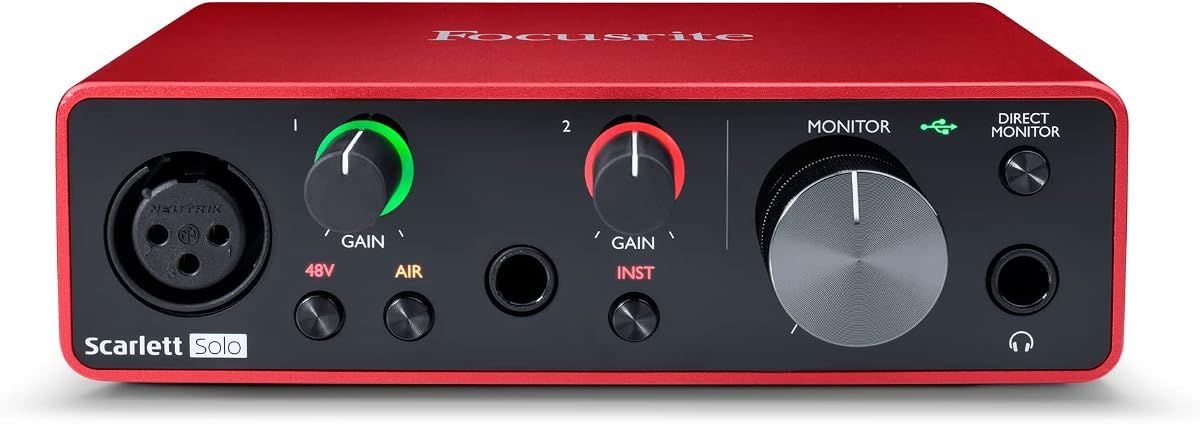
The Focusrite Scarlett Solo 3rd Gen stands out as a top choice for guitarists seeking reliable recording quality. It has a high rating for its preamp clarity and ease of use in home studio environments.
We may earn a commission when you buy through this link, at no additional cost to you.
This interface features high-headroom instrument inputs that prevent clipping even with high output pickups. The Air mode adds extra brightness to acoustic tracks, making it versatile for different recording styles.
While it lacks extra inputs for larger setups, the single input is robust enough for most solo musicians. The included software suite helps you start producing immediately without extra purchases.
Guitarists looking for a professional standard interface should prioritize this model for its sound fidelity and durability. It remains a benchmark for entry-level to mid-level recording gear.
The mic preamps deliver clean gain without unwanted noise or hiss during quiet passages.
LED rings around the knobs show input levels to help prevent digital clipping.
We may earn a commission when you buy through this link, at no additional cost to you.
The JOYO MOMIX CAB is an affordable option for mobile recording on phones. It receives solid ratings for its portability and ability to deliver zero-latency monitoring directly to headphones.
We may earn a commission when you buy through this link, at no additional cost to you.
This device passes your guitar signal straight to your phone for recording while letting you hear your playing instantly. It is ideal for capturing song ideas anywhere without bulky gear.
Some Android devices require OTG settings to work properly, which can be a hurdle for less tech-savvy users. The dry signal cannot be muted, which limits real-time effects processing options.
Mobile guitarists who need a simple solution for practice recording should find this device perfectly adequate. It offers great value for the price point and ease of use.
You hear your unprocessed guitar signal in headphones while the phone records simultaneously.
The unit clips securely to a pocket or strap for transport anywhere.
We may earn a commission when you buy through this link, at no additional cost to you.
The M-AUDIO M-Track Duo offers a versatile setup for recording guitar and vocals simultaneously. It is known for its crystal preamps that deliver optimal sound from various microphone types.
We may earn a commission when you buy through this link, at no additional cost to you.
With two combo inputs, you can connect both your instrument and a microphone at once. The USB Direct switch ensures zero latency monitoring which is critical for tracking performances.
The lack of USB-C connectivity might be a drawback for newer laptops that lack standard USB-A ports. However, the included software and solid audio performance make up for this limitation.
Musicians needing a straightforward interface for home recording will appreciate its balance of features and affordability. It is a strong contender for those who need more than a single input.
Combo XLR and Line Instrument inputs allow flexible connection options.
Crystal Preamps ensure your recording stays true without added noise.
We may earn a commission when you buy through this link, at no additional cost to you.
The IK Multimedia iRig USB is designed specifically for musicians working with modern mobile devices. It captures high-quality audio with a 24-bit 48kHz resolution suitable for professional work.
We may earn a commission when you buy through this link, at no additional cost to you.
Its Amp output allows you to connect to external pedal rigs which is rare in compact interfaces. The included USB-C cable ensures seamless connection with iPads and Macs without extra adapters.
It does not support Lightning cables which might restrict compatibility with older iOS devices. Users should verify device requirements before purchasing to ensure it fits their specific setup.
Those who prefer a streamlined workflow with iPad or Mac will find this interface reliable and easy to use. It bridges the gap between mobile recording and studio-quality sound effectively.
Connect to external amps or pedals with switchable processed or direct settings.
Uses USB-C for reliable connectivity with Mac and PC systems.
We may earn a commission when you buy through this link, at no additional cost to you.
The MAONO PS22 Lite targets streamers and content creators who need high-quality sound. It offers a dynamic range of 106dB and recording up to 24-bit 192kHz for precise detail.
We may earn a commission when you buy through this link, at no additional cost to you.
Its ProStudio Routing Software adds virtual channels and loopback capabilities essential for live broadcasts. The interface includes intuitive modes for switching between recording and streaming quickly.
Users may need to select specific ASIO drivers in their software for optimal performance which adds a setup step. The ergonomic design is comfortable for long sessions but may feel small for desktop setups.
Content creators focused on streaming should prioritize this model for its routing flexibility. It balances portability with advanced features that enhance broadcast audio quality significantly.
Included software manages virtual channels and loopback for streaming setups.
Records at 192kHz to capture every nuance of your sound accurately.
We may earn a commission when you buy through this link, at no additional cost to you.
The PIYONE 2X2 interface is built for those who prioritize high-fidelity audio recording. It delivers 24-bit 192kHz resolution which ensures crystal-clear and low-noise tracks for studio work.
We may earn a commission when you buy through this link, at no additional cost to you.
Its modern design includes illuminated control rings that improve visibility in dim environments. The one-cable setup via USB-C reduces clutter and simplifies your home studio desk layout.
Users should be aware that it relies on class-compliant connectivity which may not work with older operating systems without updates. The lack of a dedicated cable in the box might require a separate purchase.
Guitarists seeking a stylish and powerful interface for detailed recordings should consider this model. It provides professional-grade conversion in a compact and user-friendly package.
High-performance converters ensure accurate sound reproduction for professional work.
LED rings on gain knobs make adjusting levels easy in low light.
We may earn a commission when you buy through this link, at no additional cost to you.
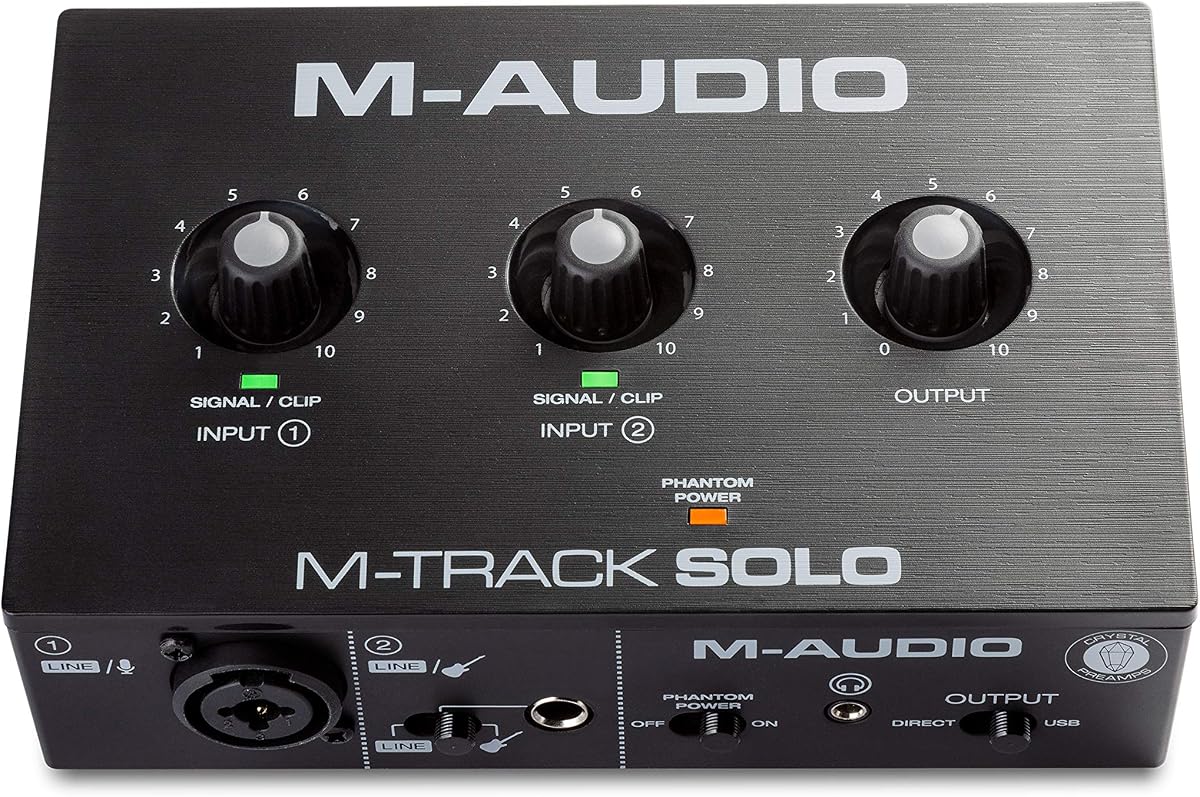
The M-AUDIO M-Track Solo is an entry-level solution designed for simplicity and portability. It delivers pristine recording quality with its 48kHz resolution and transparent Crystal Preamp.
We may earn a commission when you buy through this link, at no additional cost to you.
It features one combo input for microphones or instruments plus a separate line instrument input. This configuration allows for basic dual source recording without complex routing.
The RCA outputs are less common on modern interfaces but are useful for older home speakers. While limited compared to multi-channel units it serves beginners well for solo projects.
Musicians just starting their recording journey will find this device easy to set up and use. It offers a balance of performance and price that suits home producers on a budget.
Transparent sound design ensures natural recording from any microphone type.
MPC Beats software helps you produce tracks right after purchase.
We may earn a commission when you buy through this link, at no additional cost to you.
The Arturia MiniFuse 1 stands out for its comprehensive software suite and MIDI integration. It is designed to help beginners create sound quickly with tutorials and ready-made projects.
We may earn a commission when you buy through this link, at no additional cost to you.
This interface includes a USB hub which allows you to connect multiple USB devices to your computer. The Loopback feature is perfect for capturing game or app audio for your videos.
The 5-year warranty reflects the robust build quality and reliability of the unit. However it is priced higher than similar entry-level units which might deter budget-conscious buyers.
Synth players and beginners will value the included MIDI connection and professional software bundle. It offers a premium experience that encourages creative exploration without additional hardware costs.
Connect multiple devices without needing extra hubs or cables.
Includes Ableton Live Lite and Analog Lab for immediate music creation.
We may earn a commission when you buy through this link, at no additional cost to you.
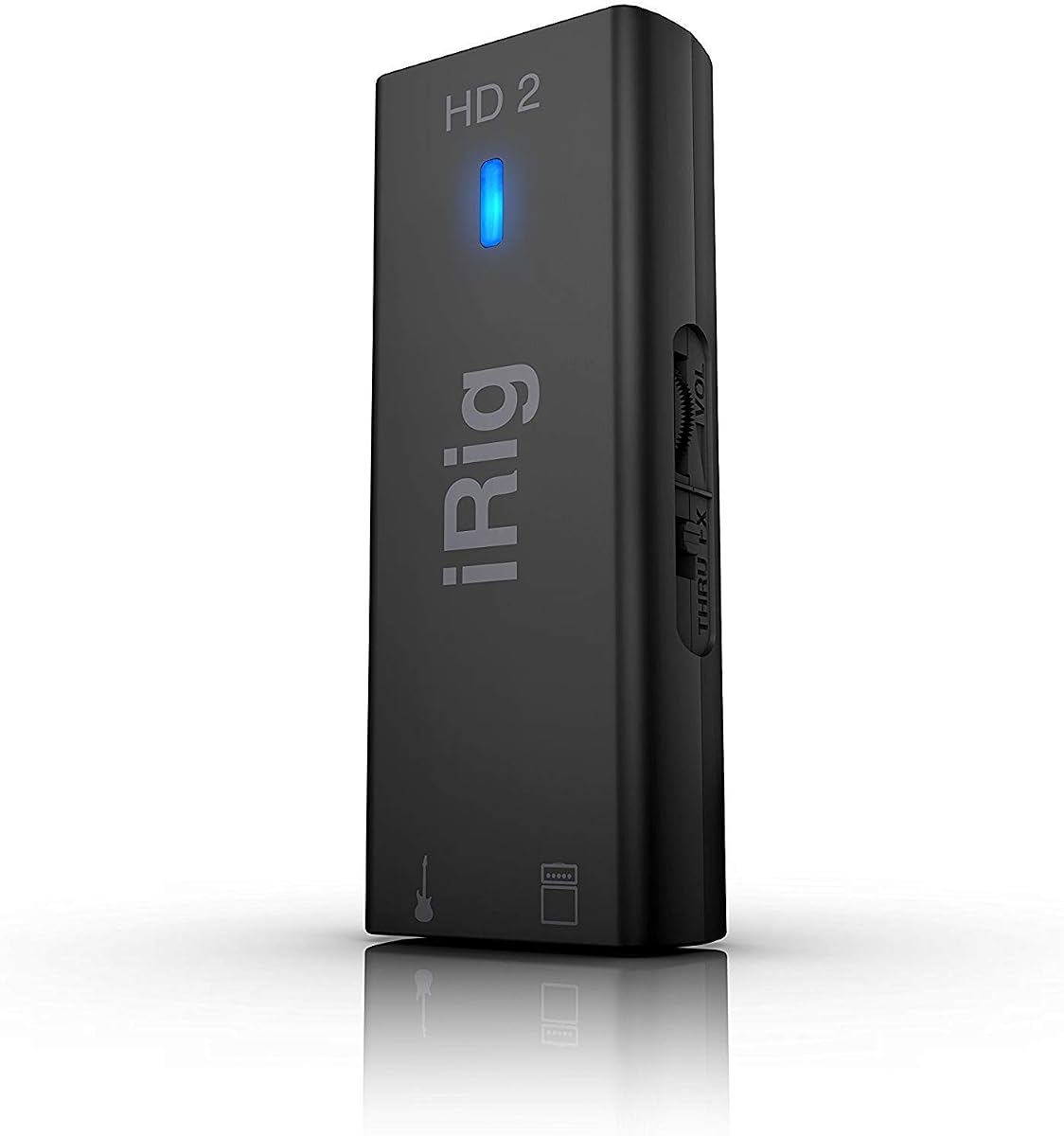
The IK Multimedia iRig HD 2 is renowned for its high sampling rate in the mobile class. It records at 96kHz which captures high-definition results for musicians seeking precision in their tracks.
We may earn a commission when you buy through this link, at no additional cost to you.
Its Amp Out jack includes a switch for FX and Thru settings which provides flexibility for practice. It comes with USB and Lightning cables ensuring compatibility across various iOS and PC devices.
Users rely on amplitude software for full functionality which may be a barrier if you prefer standalone hardware control. The lightweight construction allows for easy transport in any gig bag.
Mobile musicians who value high-resolution audio should find this device delivers professional results on the go. It remains a top choice for iOS users needing reliable digital guitar recording.
High-quality preamp ensures clean sound without digital distortion artifacts.
Unlock exclusive content inside amplitude apps for enhanced production tools.
We may earn a commission when you buy through this link, at no additional cost to you.
The Fender Quantum HD 2 is a high-end solution built for professional studio environments. It features MAX-HD preamps that capture pristine instrument audio with exceptional clarity and depth.
We may earn a commission when you buy through this link, at no additional cost to you.
Its Auto Gain button instantly sets perfect recording levels which saves time and reduces setup frustration. The interface supports ADAT and S/PDIF I/O allowing for significant expansion of input channels.
While the price is steep the included Fender Studio Pro license offers a complete suite for mixing and mastering. Advanced users will appreciate the dual re-amp outputs for tonal experimentation.
Professional musicians and producers should prioritize this model for its technical capabilities and reliability. It represents a premium investment for those demanding the highest audio standards in their work.
Instantly sets perfect recording levels to start sessions quickly.
Adds sixteen digital inputs to grow your hybrid studio over time.
We may earn a commission when you buy through this link, at no additional cost to you.
Selecting the right audio interface involves evaluating several technical aspects to ensure it meets your recording needs and budget constraints.
Consider how many instruments or microphones you need to record simultaneously. A solo musician might only need one instrument input while a duo may require two or more combo jacks.
Check the types of outputs available such as TRS or RCA to ensure compatibility with your speakers or monitoring system.
Modern interfaces often use USB-C which offers faster data transfer and power delivery. However if your computer has older ports you may need adapters which adds cost and clutter.
MIDI ports are useful if you plan to connect synthesizers or drum machines to your computer directly without extra hubs.
Higher sample rates like 96kHz or 192kHz capture more audio detail but require more computer power. For most home recording 48kHz is sufficient for professional sounding results.
Bit depth determines dynamic range so look for at least 24-bit recording to avoid distortion during loud passages.
Zero-latency monitoring allows you to hear your playing in real-time without delay which is critical for performance. This feature is usually a hardware switch on the interface itself.
Ensure the monitor mix control lets you balance the dry guitar signal with any computer processing or effects.
Many interfaces include DAW software or plugins that can save you money on separate purchases. Check if these tools are compatible with your operating system before relying on them.
Professional suites like Pro Tools or Ableton Live often come with limited versions that are great for beginners starting out.
Bus-powered interfaces draw power from the computer making them ideal for laptops and travel. If you plan to record in a fixed studio location external power might not be an issue.
Verify the power needs to ensure your laptop can supply enough energy without draining the battery quickly.
Metal chassis units tend to last longer than plastic ones especially if you travel with your gear regularly. Knobs and jacks should feel solid to prevent connection issues over time.
Look for warranties that cover manufacturing faults to protect your investment against potential hardware failures.
Set a realistic budget based on your current needs and future growth plans. Entry-level models often offer the best value for beginners who do not need advanced routing.
Higher-priced models provide features like ADAT expansion or better preamps which might justify the cost for serious producers.
To begin setting up your interface connect it to your computer via the provided USB cable before launching your DAW. Most devices are class compliant and should be recognized automatically without driver installation.
Adjust the gain knobs to match your instrument output levels ensuring that the LED indicators show green or yellow for optimal signal. Avoid red clipping lights to maintain clean audio quality.
Keep the unit clean by wiping it with a dry cloth after each session and avoid exposure to extreme temperatures. Store it in a padded bag during transport to prevent physical damage to ports.
Most modern interfaces are class compliant meaning they work without drivers on standard operating systems. However using specific drivers can offer lower latency and better performance if your DAW supports them.
Many interfaces support mobile devices via USB-C or Lightning cables. Ensure your phone supports USB OTG and has the necessary apps to record audio directly.
Instrument inputs are designed for high impedance signals from guitars while line inputs handle lower impedance signals from keyboards. Using the correct input ensures optimal signal strength and tone.
To reduce latency enable direct monitoring on the interface and use a small buffer size in your audio settings. This ensures you hear your sound instantly while recording.
Phantom power supplies voltage to condenser microphones allowing them to function properly. If you use dynamic mics you can usually leave it off unless you connect a condenser mic.
Yes if your interface has multiple instrument inputs or combo jacks. You can connect several guitars or use a splitter to record them onto separate tracks.
In this guide we reviewed ten distinct audio interfaces ranging from affordable mobile units to professional studio models. Each option serves a specific need whether it is portability or high fidelity sound.
When making your decision consider your primary workflow and the tools you already own. Prioritize features that directly impact your recording experience such as monitoring and software bundles.
Remember that availability and pricing can change so always check the latest product details before buying. This ensures you get the best value for your specific recording requirements.