
Neoteck 10kHz LCR Meter Tweezers
4.7Editor score
Auto component identification feature
Rotatable 1.14 inch display
USB Excel data export support
This guide compares the top Lcr Meter Tweezer models for 2026, evaluating accuracy, features, and usability to help electronics professionals and hobbyists
Selecting the right Lcr Meter Tweezer is essential for anyone working with modern electronics. These compact tools combine the precision of a lab instrument with the portability of a handheld device. They allow technicians to measure resistance, capacitance, and inductance directly on components without needing bulky test leads. A good model offers fast auto-recognition, clear displays, and reliable accuracy across a wide range of values.
We evaluated ten popular models based on their measurement capabilities, build quality, and user experience. Our analysis focused on key specifications like test frequencies, voltage levels, and display readability. We also considered practical aspects such as battery life, calibration options, and data export features. This list covers devices ranging from affordable hobbyist tools to high-precision professional units.
Each pick highlights specific strengths to help you match a tool to your workflow. Whether you need a budget-friendly option for DIY repairs or a premium device for critical diagnostics, this guide provides clear distinctions. Prices and availability can change quickly, so always verify the latest details before purchasing. Our goal is to give you the insights needed to make an informed decision.
4.7Editor score

4.3Editor score

4.7Editor score
The following table provides a side-by-side comparison of all ten selected Lcr Meter Tweezer models. It highlights key specifications such as test frequencies, measurement ranges, and display types to help you quickly identify which device meets your technical requirements.
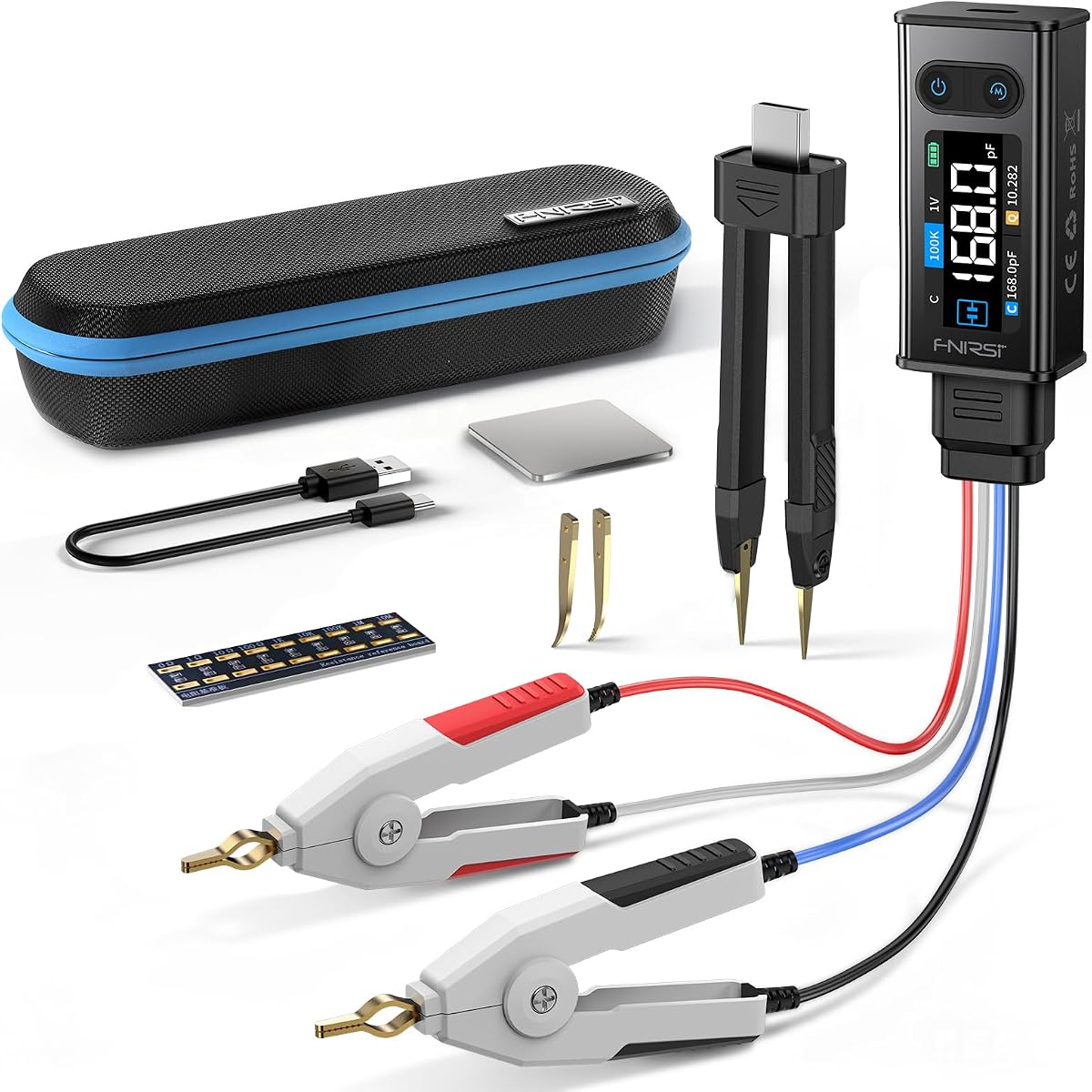

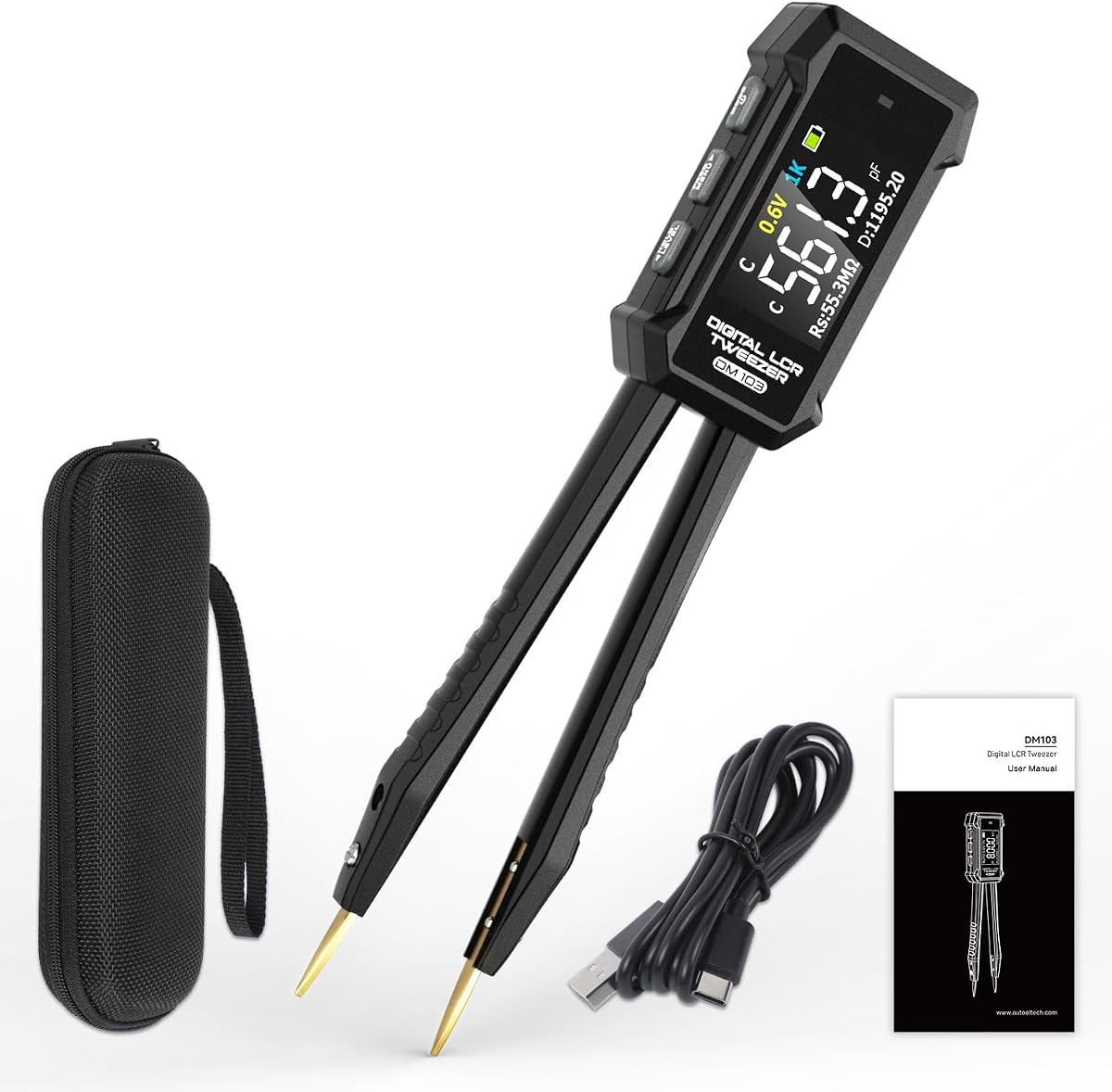


The FNIRSI LCR-ST1 stands out as a versatile tool for electronics repair and testing. It combines a compact form factor with the ability to measure resistance, capacitance, inductance, and diodes effectively. With a rating of 4.3 stars, users appreciate its ease of use and reliable performance in daily tasks. The inclusion of an HD color display ensures readings are visible even in varied lighting conditions.
We may earn a commission when you buy through this link, at no additional cost to you.
This model supports three test frequencies and two voltage levels, making it adaptable for various component types. The auto-recognition feature saves time by identifying components automatically without manual mode switching. Data storage capabilities allow you to save test records and transfer them to a PC via Excel, which is crucial for maintaining repair logs. The dual tweezer heads offer flexibility for testing different product shapes.
One trade-off is the fixed screen design, which prevents rotating the display for different viewing angles. Additionally, the 10 kHz frequency limit may not suit high-frequency RF applications requiring broader bandwidth. However, for general SMD repair and circuit board fault location, these limitations are often acceptable. The battery life and charging via data cable add to its convenience for fieldwork.
Technicians and hobbyists looking for a balanced tool will find this device highly suitable. It is ideal for those who need quick diagnostics without breaking the bank. If you value portability and clear data tracking, this tweezers tester is a strong recommendation. Always ensure you have the necessary calibration standards to maintain long-term accuracy with this unit.
The ability to save and export test records helps professionals track component failures over time. This feature streamlines reporting and quality control processes in repair workflows.
The HD color display and auto-recognition reduce the learning curve for new users. Settings allow for quick testing without navigating complex menus repeatedly.
We may earn a commission when you buy through this link, at no additional cost to you.
The FNIRSI LCR-ST2 offers expanded capabilities compared to standard tweezers, specifically targeting a wider frequency range. It handles both SMD and through-hole components effectively, making it a robust choice for mixed assemblies. With 100 kHz coverage, it bridges the gap between basic testers and professional bench equipment. Users value its reliable performance and the inclusion of multiple probe types for versatility.
We may earn a commission when you buy through this link, at no additional cost to you.
Four RMS test levels allow for precise measurements across different component sensitivities. The primary and secondary display modes provide deep analysis of parameters like D, Z, and Q. A built-in magnet helps secure the device on metal surfaces, freeing up hands during soldering or repair work. The large display and adjustable brightness enhance readability in various workshop environments.
While it offers significant features, the device is slightly heavier than entry-level options. This weight can be a factor during extended handheld use. However, the additional functionality often justifies the physical trade-off for professionals. The quick plug-and-swap design for probes ensures you can adapt to different tasks without complex setup procedures.
This model is best suited for technicians who frequently work on RF circuits or larger components. If you need a tool that handles both small SMD parts and larger through-hole devices, this is a strong candidate. The combination of speed, accuracy, and convenience features makes it a valuable addition to a well-equipped workbench.
Displaying both primary and secondary parameters helps in diagnosing complex component issues. This depth of data supports more accurate troubleshooting decisions.
Support for series and parallel modes reduces errors from parasitic effects. This ensures measurements reflect true component values rather than circuit interactions.
We may earn a commission when you buy through this link, at no additional cost to you.
The Smart Tweezers ST5S represents the premium tier of Lcr Meter Tweezer devices. It is designed for professionals who require exact measurements and traceability in their work. With a rating of 4.7 stars, it is highly regarded for its accuracy and durability. The inclusion of a calibration certificate adds trust for users needing verified performance standards for compliance or critical diagnostics.
We may earn a commission when you buy through this link, at no additional cost to you.
Swiss-made gold-plated test leads ensure low contact resistance and long-lasting performance. The OLED display provides sharp contrast for easy reading in dim environments. Automation features reduce human error by identifying components quickly while manual modes offer control for specific test scenarios. The lifetime support and two-year warranty reflect the manufacturer's confidence in its quality.
The main consideration is the price, which is higher than most other options. This makes it less accessible for hobbyists or those with casual repair needs. However, for industrial or clinical settings where errors are costly, the investment pays off through reliability. The portable case protects the device during transport, maintaining its precision over time.
Choose this model if accuracy and reliability are your top priorities above all else. It is ideal for labs, service centers, and professionals dealing with sensitive electronics. The combination of high-end materials, precise calibration, and support makes it a standout choice for demanding applications where every measurement matters.
The included calibration certificate ensures your measurements are traceable to standard references. This is critical for industries requiring compliance and audit-ready documentation.
Gold-plated leads resist corrosion and maintain conductivity over years of use. This longevity reduces the need for frequent replacements or recalibration.
We may earn a commission when you buy through this link, at no additional cost to you.
The Pro1-100KHz LCR Meter is distinguished by its exceptional accuracy rating of 0.1 percent. This level of precision places it among the most reliable tools available for detailed component analysis. A perfect 5.0 rating from users suggests high satisfaction with its performance and stability. It is particularly strong for applications where even minor errors can lead to significant downstream issues.
We may earn a commission when you buy through this link, at no additional cost to you.
It supports five test frequencies and three voltage levels, allowing for comprehensive testing across diverse components. The wide measurement range covers everything from tiny SMD parts to larger inductors effectively. Diode testing capabilities add to its utility as a versatile diagnostic tool. The promise of lifetime support provides reassurance for long-term ownership and maintenance needs.
While highly accurate, the device may be overkill for simple repairs or casual use. The cost reflects its professional-grade specifications which might not be necessary for hobbyists. However, for engineers and technicians who need verified precision, this device delivers consistent results. The robust design ensures it can handle daily use in demanding environments without degradation.
If your work requires top-tier accuracy, this model is an excellent investment. It is suited for roles where data integrity is paramount. The combination of high precision, broad range, and strong support makes it a leading choice for professionals who cannot afford measurement variability in their workflows.
Users report consistent accuracy across long sessions, indicating stable internal calibration. This reliability is crucial for repetitive testing tasks in production or repair.
The ability to test multiple parameters with high precision reduces the need for separate tools. This streamlines the diagnostic process and improves overall workflow efficiency.
We may earn a commission when you buy through this link, at no additional cost to you.
The DM103 LCR Meter Tweezer offers a balanced approach to precision with a focus on user-defined calibration. This feature allows owners to correct long-term drift by calibrating with standard resistors regularly. With a rating of 4.2, it appeals to those who value maintenance and longevity in their tools. The 0.5 percent accuracy is sufficient for most general repair and development tasks.
We may earn a commission when you buy through this link, at no additional cost to you.
Its ergonomic design supports one-hand operation which is vital when working on tight circuit boards. The OLED flip screen adapts to different viewing angles ensuring readability. Adjustable brightness and auto power-off features enhance usability and battery efficiency. This model supports multiple test frequencies and voltages to suit various component characteristics during diagnostics.
A trade-off is the requirement for calibration standards to maintain accuracy over time. If standards are unavailable, performance may degrade with use. However, the design allows for easy adjustment to keep measurements reliable. The detachable gold-plated tips ensure good contact and reduce resistance errors during testing sessions.
This tool is ideal for technicians who want control over their device's performance. It suits those who maintain their own equipment and prefer long-term reliability. If you prioritize flexibility and a clear display, this tweezers tester is a strong option for both professional and serious hobbyist environments.
User-defined calibration ensures the device remains accurate as components age. This proactive maintenance extends the useful life of the instrument significantly.
One-hand operation allows for hands-free soldering or positioning after testing. This reduces physical strain and improves speed during complex repairs.
We may earn a commission when you buy through this link, at no additional cost to you.
The Neoteck 10kHz LCR is a top choice for those seeking value without sacrificing essential features. It offers a 4.7 rating from users who appreciate its cost-effective design and practical toolset. Ideal for DIY enthusiasts and entry-level technicians, it covers fundamental testing needs efficiently. The auto-identification capability simplifies workflows by reducing manual configuration steps.
We may earn a commission when you buy through this link, at no additional cost to you.
One of its standout features is the rotatable display which can be adjusted 180 degrees. This ensures the screen is always oriented correctly regardless of how you hold the device. Data storage and export to Excel help organize results for review or reporting. Multi-point calibration supports Open, Load, and Short modes to minimize measurement errors from parasitic effects.
While it lacks high-frequency capabilities, it handles most common components with ease. The build quality is solid for the price but may not withstand heavy industrial abuse. However, for regular repair and hobbyist work, it provides consistent performance. The included spare tips and storage pouch add to its convenience and readiness for use.
This model is perfect for anyone needing a reliable, affordable testing solution. It bridges the gap between basic multimeters and expensive LCR meters. If you want a device that is easy to use and offers data management features at a low cost, this is a highly recommended option for general electronics work.
The rotatable screen ensures you can always read measurements comfortably. This ergonomic benefit reduces eye strain during extended testing sessions.
Saving test records to Excel allows for easy trend analysis and reporting. This helps in documenting repair history and identifying recurring component issues.
We may earn a commission when you buy through this link, at no additional cost to you.
The LT1 Mini LCR Meter distinguishes itself with a built-in signal generator feature. This expands its utility beyond standard component testing to include signal analysis. With a rating of 4.8, users appreciate its versatility and smart component recognition. It acts as a compact multimeter and ESR tester, making it a multi-purpose tool for bench work. The automatic screen rotation ensures readability from any angle.
We may earn a commission when you buy through this link, at no additional cost to you.
Sweep frequency measurement allows for observing how components behave across a range of frequencies. This is useful for diagnosing issues in filters or tuned circuits. The large 400 mAh battery supports long continuous use which is beneficial during extended repair sessions. Data storage and export options help keep records organized for future reference or analysis.
The screen is smaller than some larger units which might make details harder to read at a distance. The battery is built-in which means it is not easily replaceable if degraded. However, the included features make it a valuable addition for those needing signal generation. The compact design fits easily in bags or toolkits for mobile technicians.
Choose this model if you need a single tool for multiple testing scenarios. It is well-suited for hobbyists and technicians who value added functionality in a small package. The combination of LCR testing, signal generation, and smart recognition makes it a standout option for general electronic diagnostics and repair tasks.
The built-in generator enables quick checks of circuit response to specific signals. This adds value beyond static component measurement and aids in dynamic testing.
Miniature size ensures it fits in pocket or small toolboxes for on-site work. This portability is crucial for field repairs where space is limited.
We may earn a commission when you buy through this link, at no additional cost to you.
The AUTOOL DM103 is designed with an IPS display that provides high contrast and clear visibility. This ensures readings are easy to interpret even in bright workshops. With a 4.5 rating, it is valued for its reliability and smart auto-recognition features. The display shows both primary and secondary parameters simultaneously which aids in thorough component analysis without switching modes.
We may earn a commission when you buy through this link, at no additional cost to you.
Its 0.5 percent accuracy is suitable for most professional testing requirements. Firmware upgrades via Type-C connection allow for continuous improvements and bug fixes. Gold-plated precision probes ensure stable contact on tiny SMD parts which is essential for accurate measurements. The device is optimized for long-term professional use with features that support efficient repair workflows.
Keeping firmware up-to-date is necessary to maintain peak performance and new features. Some advanced users may find the function set limited compared to specialized high-end meters. However, for general diagnostics and repair, it offers a robust balance of speed and clarity. The ergonomic design reduces hand strain during repetitive testing cycles.
This device is best for technicians who value display quality and ease of use. It suits modern electronics repair where clear visibility and fast recognition are key. If you want a tool that combines precision with a modern interface, this LCR tweezers is a strong candidate for daily bench duties.
IPS technology ensures accurate color and visibility from wide viewing angles. This helps prevent reading errors in varied lighting environments.
Firmware upgrades allow the device to evolve with new testing needs. This ensures the tool remains relevant as component standards change.
We may earn a commission when you buy through this link, at no additional cost to you.
The Global Specialties LCR-58 focuses on essential measurement capabilities with a straightforward design. It offers DCR measurements in both parallel and series modes which is vital for accurate component analysis. With a 4.5 rating, it is trusted for its reliability and simplicity. Users appreciate the overload protection which helps safeguard the device from accidental damage during testing.
We may earn a commission when you buy through this link, at no additional cost to you.
Data hold allows you to freeze readings for easy note-taking or review. This is helpful when working with components that are hard to hold steady during measurement. Auto power-off conserves battery life and ensures you do not leave the device on unintentionally. The compact size makes it easy to store in toolkits or drawers for quick access.
Compared to modern units, it lacks advanced features like auto-recognition or high-resolution displays. It may require more manual input for settings which can slow down complex workflows. However, for basic checks and verification, it remains a solid and dependable option. Its design prioritizes function over flashy features for practical use.
Select this model if you prefer a no-frills device that just works reliably. It is suitable for labs or shops where basic component verification is the primary need. If simplicity and durability are more important than extra bells and whistles, this LCR tweezers is a practical choice for consistent results.
Overload protection helps prevent damage during accidental high-voltage exposure. This durability reduces repair costs and downtime for the device.
Fewer menus and modes speed up basic testing procedures. This simplicity reduces training time and minimizes user error.
We may earn a commission when you buy through this link, at no additional cost to you.
The Mini Smart Tweezer ZT-MD2 combines a sturdy CNC metal housing with advanced smart recognition. A perfect 5.0 rating reflects high user satisfaction with its robust build and smart performance. It supports a wide frequency range and includes voltage measurement making it a versatile compact device. This model is excellent for users who need reliability in a durable metal frame.
We may earn a commission when you buy through this link, at no additional cost to you.
Automatic recognition of electronic components streamlines the testing process significantly. You can quickly identify primary and secondary parameters without manual selection. The adjustable frequency options allow for testing different component types with optimal accuracy. Its design ensures it withstands drops or bumps better than plastic counterparts in demanding environments.
One limitation is that documentation may be less detailed for advanced features. Users might need to explore settings to get the most out of the device. However, the core functionality is intuitive enough for most daily tasks. The metal casing adds weight but provides confidence in its durability during regular use.
This model is ideal for those who prioritize build quality and smart features. It works well in field conditions where ruggedness is important. If you want a compact, high-performance tool that offers excellent recognition capabilities, this LCR tweezers is a highly recommended pick for professional electronics work.
CNC metal construction ensures the device resists drops and impacts. This longevity protects your investment during frequent transport or field use.
Smart recognition speeds up the diagnostic process by avoiding manual mode selection. This efficiency is crucial when testing multiple components in a batch.
We may earn a commission when you buy through this link, at no additional cost to you.
Choosing the right Lcr Meter Tweezer involves considering several key factors that impact your testing efficiency and accuracy. This section outlines the most important aspects to evaluate before making a purchase.
Accuracy determines how close your measurement is to the true value. Professional applications often require 0.1 percent accuracy while hobbyists may suffice with 0.5 percent. Look for models that maintain this accuracy across different temperature ranges to ensure reliability.
For general repairs, 0.5 percent is adequate. For critical circuits, prioritize higher accuracy models.
Test frequencies affect how well components are measured especially capacitors and inductors. Models offering 100 kHz allow testing of RF components while 10 kHz suits most standard electronics. Higher frequencies help detect issues in signal paths that lower frequencies miss.
Select higher frequencies if you work on RF circuits often.
A clear display is essential for reading values quickly. OLED and IPS screens offer better contrast and viewing angles than basic LCDs. Rotatable displays add flexibility for awkward testing angles which improves ergonomics.
Prioritize high-contrast screens with adjustable brightness.
Automatic recognition saves time by identifying resistors capacitors and inductors without manual switching. This reduces errors and speeds up the workflow during bulk testing. Ensure the model supports the component types you use most frequently.
Look for units with smart recognition to reduce manual mode switching.
Data storage and export features help track results over time. Excel export is particularly useful for quality control and reporting. Some units allow you to save records internally to avoid losing data between sessions.
Choose models with USB or wireless data export options.
Durable materials protect the device from damage during use. Metal casings are more robust than plastic and withstand accidental drops. Gold-plated tips ensure long-lasting low-resistance contact for accurate measurements.
Invest in robust housing if you move your tool frequently.
Long battery life ensures uninterrupted testing sessions. Type-C charging is convenient and modern. Auto power-off saves energy when the device is idle for extended periods.
Look for units with 300 mAh or larger batteries.
Prices vary significantly from budget hobbyist tools to professional units. Consider the warranty length and support availability. A longer warranty often reflects higher manufacturer confidence in quality.
Balance your budget with the required professional features.
To start use ensure the device is charged via USB-C and turn it on. Calibrate using Open Short and Load functions to minimize measurement errors. Then gently clamp the component with the tweezers tips ensuring good contact. The screen will display values instantly often identifying the component automatically.
When using the tool avoid applying excessive force to the tips as this can damage them. If testing in high voltage environments ensure the device ratings are sufficient to prevent damage. Use the data hold feature to capture readings before moving on to the next test.
After use store the device in a protective case to keep it safe from dust and moisture. Charge the battery periodically if not used for long periods to maintain health. Regularly clean the tips with a soft cloth to remove residue that might affect contact.
An Lcr Meter Tweezer provides specific measurements for capacitance and inductance which multimeters often lack. It also allows for hands-free testing of small components thanks to the tweezer design. This makes it ideal for SMD repair where precise component identification is necessary.
Some models support higher test frequencies like 100 kHz which are suitable for RF components. Basic hobbyist models may only go up to 10 kHz which is not enough for high frequency applications. Check the specifications for frequency range before purchasing for RF work.
Yes periodic calibration ensures measurement accuracy remains consistent over time. Using Open Short and Load modes helps correct any drift caused by usage or environment. Some units allow user-defined calibration to maintain precision without external tools.
They can measure resistors capacitors inductors and diodes with high precision. Many also check continuity and voltage depending on the model. This broad capability makes them versatile for general electronics repair and troubleshooting.
Battery life varies by model but many offer several hours of continuous use. Units with auto power-off help preserve charge when not in use. Always keep a charging cable handy for extended work sessions.
Most modern models support USB data transfer to export test records. You can save these as Excel files for easier analysis and record keeping. This feature is useful for documenting repair history or quality control.
We have reviewed ten top Lcr Meter Tweezer models to help you find the perfect fit. From the FNIRSI LCR-ST1 for overall balance to the Smart Tweezers ST5S for premium accuracy there is a device for every need. Consider your specific workflow requirements and budget when making a selection.
Prioritize accuracy and display quality if you work with sensitive components. For budget-conscious users the Neoteck 10kHz offers great value. Always check if features like data export and auto-recognition match your repair habits.
Prices and availability can change quickly so verify current stock before ordering. Our guide aims to provide a reliable overview of the market to simplify your decision. With the right tool you can streamline your diagnostics and improve repair outcomes.