
Canon EOS Rebel T7 DSLR
4.6Editor score
24.1 Megapixel sensor
Built-in Wi-Fi
9-Point AF system
This guide compares the best camera for dental photography including intraoral systems and DSLR options to help clinics choose high quality imaging tools.
Choosing the right camera for dental photography is essential for accurate diagnostics and patient communication. High quality images help dentists document conditions clearly and build trust with patients who need to understand their treatment plans better.
We evaluated ten top rated products ranging from specialized intraoral cameras to versatile DSLR and mirrorless systems. Our analysis focuses on image clarity, ease of integration with dental software, and ergonomic design for daily clinical use.
Each pick highlights specific strengths like wireless transfer or macro capabilities to suit different practice needs. Please note that availability and pricing may change frequently so verify current details before making your final purchasing decision today.
4.6Editor score
4.4Editor score

4.5Editor score
This side-by-side comparison table outlines the key specifications and capabilities of each selected camera system to assist practices in identifying the most suitable imaging solution for their specific clinical requirements.


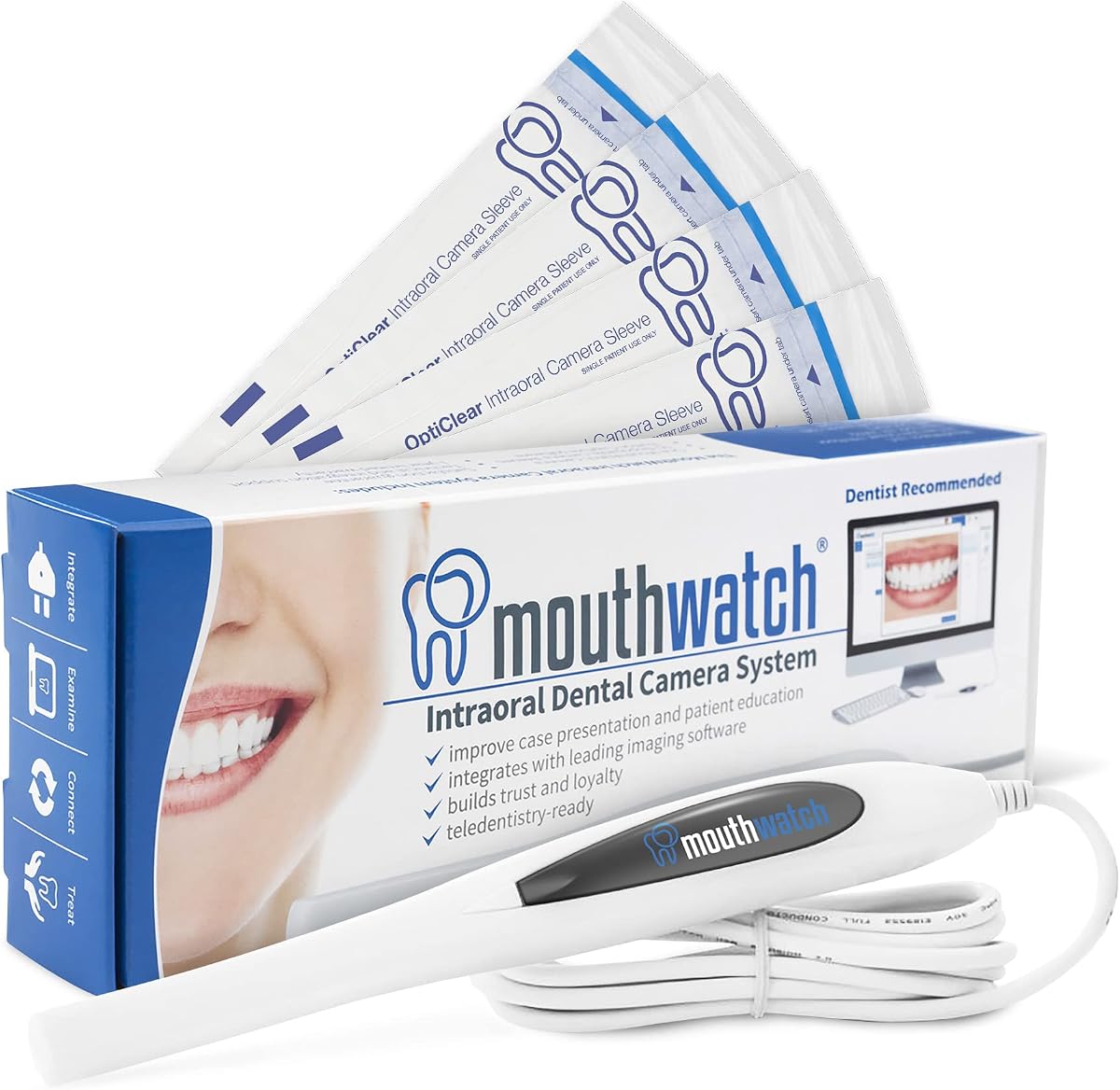
The MouthWatch intraoral camera stands out as a top choice for dentists seeking reliable image capture without complexity. With a 4.4 star rating, it delivers clear photos that help patients visualize treatment needs effectively.
We may earn a commission when you buy through this link, at no additional cost to you.
Its single button operation ensures fast clicks without lag, saving time during patient interactions. The camera supports over fifty dental imaging suites including Eaglesoft and Dexis, making integration seamless for most practices.
While it lacks auto-focus hunting due to fixed focal distance, this design prevents delays in capturing sharp images. The ergonomic 31 gram weight reduces hand fatigue during extended procedures significantly.
Practices prioritizing patient education and workflow efficiency will find this camera an excellent investment. It balances performance and ease of use better than many competitors in this category.
Clear visuals help patients understand treatment necessity leading to higher case acceptance rates.
Included capture software works with major dental suites minimizing setup time and technical hurdles.
We may earn a commission when you buy through this link, at no additional cost to you.
The Canon EOS Rebel T7 offers a cost effective solution for dental offices needing high resolution imagery without specialized intraoral tools. Its 24.1 megapixel CMOS sensor captures sharp details essential for clinical documentation.
We may earn a commission when you buy through this link, at no additional cost to you.
Built-in Wi-Fi allows quick transfer of images to tablets or phones for patient reviews. The optical viewfinder ensures stable framing even in bright clinical lighting conditions common in exam rooms.
While the autofocus system is basic compared to modern mirrors, it remains reliable for static dental shots. Beginners may find manual adjustments necessary but the learning curve is manageable.
Budget conscious practices wanting professional quality photos will appreciate this versatile DSLR. It serves as a robust entry point into digital dental photography with room to grow.
Compatible with Canon EF and EF-S lenses enabling macro work with proper adapters for close ups.
NFC and Wi-Fi streamline sharing clinical photos without cables or extra hardware setups.
We may earn a commission when you buy through this link, at no additional cost to you.
This bundle version of the Rebel T7 adds practical accessories like a memory card and shoulder bag. It provides everything needed to start photographing dental cases immediately upon unpacking.
We may earn a commission when you buy through this link, at no additional cost to you.
The DIGIC 4+ processor ensures fast operation and reduced noise in various lighting scenarios. Menu navigation is simplified for new users transitioning from basic smartphones to DSLR systems.
The included 18-55mm lens is versatile but may require close-up rings for detailed tooth imaging. Despite this limitation, the bundle offers strong value for comprehensive dental photo workflows.
New clinics seeking an all-in-one photography kit will find this bundle highly convenient. It removes the guesswork of selecting compatible accessories while maintaining quality standards.
Pre-packaged essentials save time on purchasing additional memory and carrying solutions separately.
Optimized image processor delivers vibrant colors even with moderate ambient lighting conditions.
We may earn a commission when you buy through this link, at no additional cost to you.
The Canon EOS R50 brings cutting-edge mirrorless technology to dental imaging with exceptional autofocus coverage. Its dual pixel system tracks subjects accurately across the entire frame ensuring sharp results.
We may earn a commission when you buy through this link, at no additional cost to you.
Video capabilities allow for dynamic patient education content showing procedures in motion. The vari-angle screen enables shooting from odd angles without discomfort or awkward positioning.
While the lens selection is expanding, the RF-S lens ensures high quality for close-up dental photography. Bluetooth pairing makes wireless transfers smooth and intuitive during daily clinical use.
Practices investing in modern, high-performance tools will value this camera future-ready features. It excels where adaptability and image fidelity are paramount for professional results.
High frame rate video supports detailed procedure recordings for enhanced patient explanations and training.
Touchscreen interface simplifies settings adjustments and focus selection for quicker image capture.
We may earn a commission when you buy through this link, at no additional cost to you.
This Sony ZV-1 bundle targets creators needing portable tools with professional imaging capabilities. The ZEISS lens captures crisp detail with natural color tones suitable for dental photography.
We may earn a commission when you buy through this link, at no additional cost to you.
Product showcase mode automatically switches focus for close-up shots making it ideal for detailed clinical images. The built-in directional microphone isolates voice quality for educational video content.
Weighing under 300 grams this camera is highly mobile yet powerful enough for professional use. Connectivity options include Bluetooth and Wi-Fi for seamless transfers to smartphones or tablets.
Practices focused on social media or educational content creation will benefit from this versatile tool. Its design prioritizes content creation while maintaining high image fidelity for dental needs.
Dedicated buttons for background defocus simplify complex adjustments for quick content production.
Directional microphone ensures clear voice recording for instructional dental videos without noise.
We may earn a commission when you buy through this link, at no additional cost to you.
This 2026 model camera boasts an 88MP sensor promising next-level clarity for detailed images. It includes dual lenses and extensive zoom options making it adaptable for various angles.
We may earn a commission when you buy through this link, at no additional cost to you.
The large touchscreen simplifies framing and focus adjustments with intuitive tapping. Built-in Wi-Fi facilitates instant photo sharing which is helpful for quick patient consultations.
While autofocus speed is quick the digital zoom does not match optical performance of higher end models. The inclusion of two batteries extends shooting time significantly for busy clinical days.
Practices seeking a versatile high resolution tool without significant investment may find this option appealing. It offers modern features at an entry level price point for diverse content needs.
The 88MP sensor captures extreme detail suitable for close-up documentation of tooth surfaces.
Dual battery system ensures uninterrupted operation throughout long days without recharging interruptions.
We may earn a commission when you buy through this link, at no additional cost to you.
The DY-50 intraoral camera is designed specifically for clinical use with a focus on clear imagery and easy software integration. It works with most major North American imaging solutions effectively.
We may earn a commission when you buy through this link, at no additional cost to you.
Ergonomic design allows comfortable use during extended procedures and direct USB connectivity reduces setup complexity. The anti-fog lens ensures consistent image clarity during intraoral examinations.
Windows compatibility is a primary limitation for Mac based offices but integration remains seamless on supported systems. The lightweight handset reduces strain on dental professionals hands significantly.
Practices using standard imaging software will find this camera a reliable and affordable clinical tool. It balances performance and simplicity well for routine dental documentation tasks.
Included driver ensures capture buttons function correctly within popular dental imaging programs.
Anti-fog design maintains visibility during procedures preventing fogging inside the oral cavity.
We may earn a commission when you buy through this link, at no additional cost to you.
This camera offers 720P HD quality with 4X zoom capabilities providing clear visual documentation for dental clinics. The included driver ensures compatibility with major dental software systems out of the box.
We may earn a commission when you buy through this link, at no additional cost to you.
Zoom features allow for better framing of specific teeth or areas without moving the camera constantly. The absence of a foot pedal requirement simplifies setup and reduces additional hardware costs.
While resolution is lower than advanced models it meets standard documentation requirements effectively. It is an easy plug-and-play solution for practices needing straightforward image capture.
Practices looking for a reliable HD camera without complex setup will appreciate this model. It delivers consistent performance for routine clinical photography and patient communication needs.
4X zoom helps isolate specific dental details improving image composition during examinations.
No foot pedal needed simplifies installation and reduces clutter in tight clinical spaces.
We may earn a commission when you buy through this link, at no additional cost to you.
This all-in-one system features a built-in 17 inch touchscreen computer eliminating the need for external devices. It delivers ultra-smooth high-definition visuals for precise dental analysis and case presentations.
We may earn a commission when you buy through this link, at no additional cost to you.
WiFi QR code functionality allows transferring patient photos to any device instantly without cables. The slim intraoral camera improves workflow efficiency and integrates smoothly into clinical environments.
Split screen views on the display enable efficient comparison of before and after images. Plug-and-play design makes setup minimal and suitable for clinics of all sizes.
Practices wanting an integrated solution with seamless transfer capabilities will find this system appealing. It simplifies documentation workflows while maintaining professional imaging standards.
QR code scanning streamlines photo sharing with patients securely and quickly.
Built-in computer removes external monitor dependency reducing workspace clutter significantly.
We may earn a commission when you buy through this link, at no additional cost to you.
This lighting aid enhances phone photography for dental documentation with adjustable brightness and omni directional capabilities. It helps display all fine points of tooth surfaces clearly during examinations.
We may earn a commission when you buy through this link, at no additional cost to you.
The flexible bracket allows precise angle adjustments to fit various mobile phones or dental equipment. Omni directional shooting ensures consistent illumination inside the oral cavity without harsh shadows.
Portability is a key feature with a convenient zip case making transport easy for different locations. USB charging capability ensures the light remains ready for extended periods of use.
Clinics using smartphones for imaging will benefit from this simple yet effective lighting solution. It improves image quality significantly without needing expensive dedicated camera systems.
Adjustable brightness settings help avoid overexposure while ensuring all details are visible.
Removable bracket adapts to different devices increasing flexibility for various clinical setups.
We may earn a commission when you buy through this link, at no additional cost to you.
Selecting the right camera involves considering several technical and practical factors that impact daily clinical workflows and patient presentation quality.
High resolution sensors capture fine details essential for accurate clinical documentation and treatment planning. Look for cameras with at least 20 megapixels to ensure clarity in intraoral shots.
Prioritize sensors with good color accuracy and dynamic range to represent true dental anatomy correctly.
Compatibility with existing practice management systems streamlines workflow by allowing direct image uploads. Check if the camera supports common suites like Eaglesoft or Dexis.
Seamless integration reduces manual data entry errors and saves valuable time during busy patient appointments.
Dental environments often present challenging lighting scenarios inside the oral cavity. Cameras with adjustable brightness or external lighting attachments ensure consistent illumination.
Good lighting reduces shadows and improves visibility for accurate diagnosis and patient education.
Simple controls like single button capture or autofocus simplify usage during procedures. Ergonomic design reduces hand fatigue over long hours of use.
User-friendly interfaces allow staff to focus on patients rather than troubleshooting technical issues constantly.
Wi-Fi and Bluetooth capabilities facilitate quick image transfer to tablets or phones for patient viewing. Avoid wired-only solutions that restrict movement during exams.
Modern wireless connections enhance collaboration and speed up case presentations significantly.
Cost varies significantly between specialized intraoral cameras and general DSLR systems. Assess whether specialized features justify the additional expense for your practice.
Balance initial investment against long-term value and potential improvements in patient communication.
Clinical environments require durable hardware that withstands daily cleaning and handling. Look for anti-fog lenses and water resistant features where applicable.
Responsive customer support ensures minimal downtime if technical issues arise during critical times.
Always clean the camera lens and surrounding areas with approved disinfectants before and after each patient to maintain hygiene standards. Avoid harsh chemicals that could damage optical coatings.
Regularly update camera software and firmware to ensure compatibility with new dental imaging systems and security patches. This keeps your workflow efficient and safe from potential vulnerabilities.
Store cameras in protective cases when not in use to prevent scratches or impact damage. Proper storage extends the lifespan of your equipment and ensures consistent image quality.
The best choice depends on your specific practice needs. Intraoral cameras like the MouthWatch offer specialized features for direct imaging while DSLRs like the Canon T7 provide high resolution versatility. Consider software compatibility as the primary factor when selecting.
Yes smartphones can work effectively especially when paired with external lighting kits. While resolution may be lower than DSLRs, modern phone cameras capture sufficient detail for documentation when lighting is optimized properly.
Most dental cameras work with existing practice management software. Check if the camera supports your specific imaging suite before purchasing to avoid integration issues later. Many come with proprietary capture tools for compatibility.
Lighting ensures accurate color representation and visibility of fine details inside the mouth. Poor lighting can hide conditions or create misleading images affecting diagnosis. External lighting kits often improve image quality significantly.
Clean the camera after every patient use with approved disinfectants to prevent cross contamination. Regular maintenance schedules should include lens cleaning and hardware checks to ensure consistent performance over time.
DSLRs offer higher resolution and flexibility while intraoral cameras provide ease of use within the mouth. Intraoral units are better for patient education due to direct capture but DSLRs suit general documentation well.
A minimum of 1600×1200 pixels is standard for clinical documentation. Higher resolutions like 20 megapixels provide more detail useful for analysis. Balance resolution with storage capabilities and workflow needs.
Many modern cameras offer Wi-Fi transfer via apps or USB connections. Check if the camera includes capture software for direct integration. Wireless transfer speeds up the process significantly during busy appointments.
The top picks in this guide cover a wide range of needs from specialized intraoral imaging to versatile DSLR solutions. Each option offers distinct advantages depending on your practice workflow and budget constraints.
Prioritize camera compatibility and ease of use to ensure adoption by your entire team. Quality imaging improves patient trust and diagnostic accuracy significantly across the board.
Remember to check current availability and pricing before purchasing since these factors change frequently. Investing in the right camera now will pay dividends through better documentation and patient care.