
BTMETER BT-100 Handheld Anemometer
4.5Editor score
Five wind speed units
Tripod mounting hole
Backlit LCD screen
Includes carrying case
Compare top marine anemometers for sailing and boating. This guide reviews handheld units and integrated systems for accurate wind speed and direction data.
Marine anemometers are essential tools for sailors and boaters seeking precise wind data. Whether you need a handheld device for casual outings or a integrated system for offshore racing, choosing the right model ensures safety and performance on the water.
We evaluated ten leading marine anemometers based on accuracy, durability, and ease of use. Our comparison covers portable handheld meters and fixed masthead systems, analyzing features like wind speed units, temperature readings, and resistance to harsh marine environments.
Each pick highlights key specifications and real-world applications to help you decide. Prices and availability may vary, so check current listings before purchasing to ensure you get the best value for your specific boating needs and budget constraints.
4.5Editor score

4.7Editor score
4.4Editor score
This side-by-side comparison highlights the core specifications of each marine anemometer to help you evaluate performance, connectivity, and suitability for your specific boating or sailing requirements quickly.




The BTMETER BT-100 is a reliable handheld device designed for measuring wind speed and temperature across various activities. With a rating of 4.5 stars, it offers excellent value for boaters and outdoor enthusiasts who need accurate data without a high price tag.
We may earn a commission when you buy through this link, at no additional cost to you.
Its standout quality lies in its multifunctionality, supporting five different wind speed units including knots and mph. The device features a bright backlit LCD screen ensuring visibility in low light conditions, while the tripod hole allows for stable continuous measurements during sailing or drone flying.
While it is not fully waterproof like dedicated marine instruments, its lightweight design makes it easy to carry on any boat. The included carrying case protects the unit during transport, making it a practical choice for casual sailors or hobbyists monitoring weather conditions.
Buyers looking for an entry-level wind meter should consider this model for its versatility and cost-effectiveness. It serves well for checking wind chill on deck or monitoring airflow near vents, providing precise readings with minimal effort and setup time.
The ability to switch between m/s km/h ft/min knots and mph ensures compatibility with various navigation charts and wind reports used by sailors worldwide.
The threaded tripod hole on the base allows users to fix the device securely for hands-free monitoring during extended sailing sessions or photography shoots.
We may earn a commission when you buy through this link, at no additional cost to you.
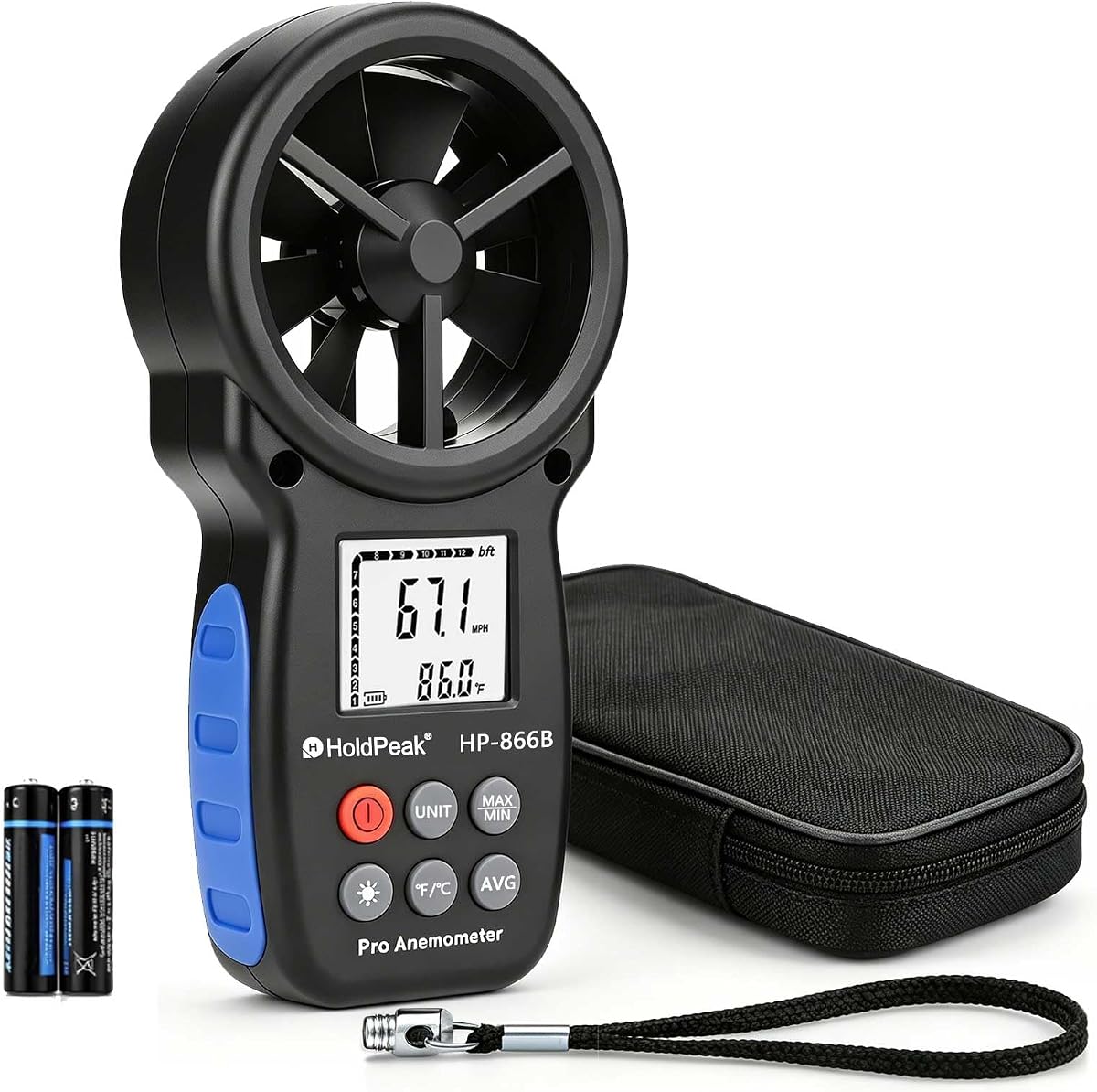
The HoldPeak 866B Digital Anemometer is a professional-grade handheld tool ideal for monitoring wind conditions in real time. Boasting a 4.5 rating, it combines sensitivity with durability making it a strong contender for marine applications requiring consistent performance.
We may earn a commission when you buy through this link, at no additional cost to you.
This device uses dual temperature sensors and eight vanes to detect wind speed and chill accurately. It supports multiple wind speed units and offers Max Min and Average modes which are crucial for analyzing wind shifts during sailing or boating excursions.
Although the housing is plastic it includes a waterproof carrying pouch to protect the unit during storage. The hand strap adds security reducing the risk of drops on a rocking boat deck while the auto-off feature conserves battery life effectively.
Enthusiasts needing precise wind data without breaking the bank should appreciate this model. Its detailed measurements and protective accessories make it suitable for both HVAC checks and casual sailing trips ensuring reliable performance when it matters most.
Dual temperature sensors allow for precise wind chill calculations which are vital for assessing comfort and safety during long periods on open water.
Max Min and Average functions help sailors track wind gusts and lulls providing critical insights for tactical decisions during races or navigation.
We may earn a commission when you buy through this link, at no additional cost to you.
The Magnetic Mount Anemometer by Inspeed stands out as the highest-rated option in this guide. Its 4.7 rating reflects exceptional performance and reliability making it the ideal choice for users prioritizing accuracy and ease of installation on small vessels.
We may earn a commission when you buy through this link, at no additional cost to you.
Its calibrated sensor ensures precise readings which are critical for safe navigation. The magnetic mount allows for quick attachment to metal surfaces on a boat providing flexibility for temporary or permanent setups without permanent fixtures or drilling.
Despite its compact size the device is built to withstand marine weather conditions. The weather-resistant design protects internal electronics from moisture and spray ensuring longevity even when left exposed on deck during short outings or overnight trips.
Serious sailors and boaters seeking a reliable portable solution should choose this model. Its combination of high accuracy and user-friendly mounting makes it superior for quick wind checks while maintaining the precision needed for professional marine environments.
Calibrated sensors provide trustable data allowing users to rely on readings for critical decisions regarding sail trim and route planning.
Strong magnets enable rapid deployment on railings or masts offering a secure hold without the need for complex hardware or installation tools.
We may earn a commission when you buy through this link, at no additional cost to you.
The Raymarine Instrument Wind I60 Display is a dedicated unit designed to complete existing marine instrument networks. While rated 3.9 stars it offers a straightforward solution for boaters needing a clear wind display without replacing their entire masthead system.
We may earn a commission when you buy through this link, at no additional cost to you.
Its high contrast graphics and analog dial style ensure readability in direct sunlight. The unit connects to NMEA networks allowing it to pull data from existing transducers making it an ideal upgrade path for older boats with compatible cabling and hardware.
Because it is a display-only model it relies on external sensors which might limit flexibility if your masthead unit is damaged. However, the low power consumption and compact design ensure it fits seamlessly into most instrument panels without clutter or weight concerns.
Boaters looking to upgrade their display without replacing sensors will find this unit practical. It simplifies the setup process by utilizing existing infrastructure while providing a clean modern interface for monitoring wind direction and speed effectively while underway.
The high contrast screen ensures readings remain clear even in bright sunlight which is essential for accurate navigation during midday sailing conditions.
Integration with standard NMEA networks allows for seamless data exchange with GPS and autopilot systems providing a comprehensive view of vessel performance.
We may earn a commission when you buy through this link, at no additional cost to you.
The TopTes TS-301 Digital Anemometer provides extensive environmental data including wind speed humidity and temperature. With a rating of 4.6 it is a robust choice for sailors who need more than just wind speed to make informed decisions about weather and comfort.
We may earn a commission when you buy through this link, at no additional cost to you.
Its 2.26-inch backlight LCD screen makes reading data simple even in low light. The inclusion of a humidity sensor allows users to track conditions that might affect sail choice or comfort levels providing a comprehensive weather snapshot right at hand.
The unit is lightweight and features auto power off to conserve energy during long outings. However, it lacks full marine waterproofing so it should be protected from heavy spray or immersion while storing it in the included pouch helps mitigate this risk.
Casual boaters and multi-sport enthusiasts should appreciate this device. Its ability to show multiple parameters on one display makes it a versatile tool for checking conditions before setting sail or during a day of mixed outdoor activities.
Humidity readings alongside wind speed give sailors a better sense of atmospheric conditions which can influence sailing performance and comfort levels significantly.
The oversized LCD ensures data is legible from a distance allowing crew members to check wind updates without crowding around the display unit.
We may earn a commission when you buy through this link, at no additional cost to you.
The Raymarine E28081 Weather and Bowls kit is designed to replace damaged components in older Raymarine ST series systems. With a 4.1 rating it ensures your existing instruments can continue functioning accurately without replacing the entire masthead or display unit.
We may earn a commission when you buy through this link, at no additional cost to you.
This kit includes a replacement vane, cups, counterweight, and fixing screws necessary for reassembly. It fits ST50 ST60 and ST80 models making it an essential spare part for maintaining the integrity of your boat's wind monitoring system.
Since it is a replacement part it requires existing hardware to work. However, having these components on hand is vital for quick repairs at sea or in the yard. The durable plastic construction withstands harsh marine conditions effectively over time.
Owners of legacy Raymarine instruments should keep this kit in stock. It ensures continuity of service for your system allowing you to maintain accurate wind data even after minor damage to the sensor assembly from impact or wear.
Keeping replacement cups and vanes on board ensures minimal downtime if the sensor is damaged during docking or severe weather conditions.
Included counterweights ensure the vane remains balanced which is critical for accurate directional readings and preventing wear on the internal mechanism.
We may earn a commission when you buy through this link, at no additional cost to you.
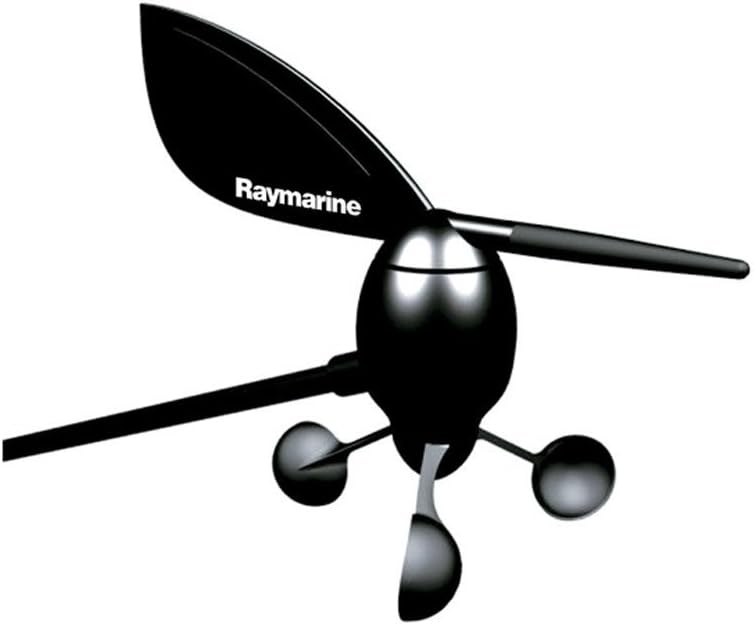
This Raymarine Masthead Wind Arm Vane and Cups kit offers a complete sensor solution for those needing a full replacement. With a 4.4 rating it ensures your system receives precise wind data through the latest version of Raymarine's trusted sensor technology.
We may earn a commission when you buy through this link, at no additional cost to you.
The kit includes the wind arm vane and cups ensuring you have all necessary parts for installation. This comprehensive set simplifies the upgrade process by providing a complete assembly rather than individual components which reduces the risk of missing parts.
While it requires professional installation due to masthead access it restores full functionality to your instrument network. The durable build resists corrosion and harsh weather conditions ensuring reliable data transmission to your displays below deck.
Boaters with failing sensors should consider this upgrade for long-term reliability. It revitalizes older systems with modern components ensuring accurate wind direction and speed data that is essential for safe and efficient sailing performance.
Providing all necessary parts ensures a streamlined replacement process which reduces the risk of errors during installation and ensures system integrity.
The latest version incorporates improved materials and design for better resistance to saltwater corrosion and mechanical stress over time.
We may earn a commission when you buy through this link, at no additional cost to you.
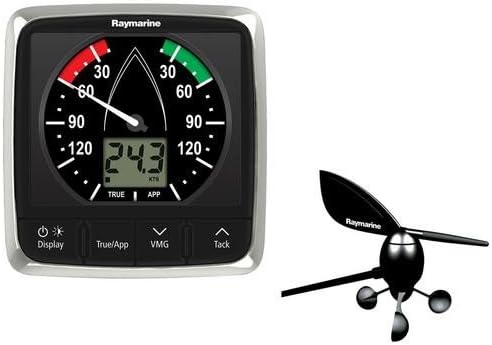
The Raymarine i60 Wind System includes both the display and masthead transducer for a complete wind monitoring setup. Rated 4.4 stars it offers a high-quality solution for sailors needing precise VMG and tack data with reliable low power consumption.
We may earn a commission when you buy through this link, at no additional cost to you.
It features a high-contrast display with red night backlighting ensuring readability in all conditions. The system integrates easily with NMEA networks providing real-time updates that help optimize performance during races or long passages on open water.
While the installation requires running cables and mounting the masthead unit the performance is worth the effort. The system is designed for durability ensuring accurate data transmission even in harsh marine environments over extended periods.
Serious sailors needing full integration should choose this system for its comprehensive features. It simplifies complex data like VMG and tack into an easy to read format enhancing situational awareness and overall sailing efficiency on the water.
Displaying VMG and tack angles directly on the screen allows racers to optimize sail trim without needing external calculations or devices.
The red night backlighting preserves night vision while ensuring critical wind data remains visible during night watches or evening cruises.
We may earn a commission when you buy through this link, at no additional cost to you.
The Raymarine i60 Wind Display System is the centerpiece of advanced marine navigation setups. With a 4.4 rating it combines a robust masthead transducer with a customizable display delivering accurate wind speed and direction data in even the harshest conditions.
We may earn a commission when you buy through this link, at no additional cost to you.
It offers true and apparent wind angles helping sailors make informed decisions quickly. The adjustable backlighting and intuitive controls ensure visibility day or night allowing for seamless navigation adjustments without interrupting workflow on deck.
Its masthead transducer is engineered for long-term reliability with saltwater exposure. While the initial setup is complex requiring wiring and network configuration the result is a stable and durable system capable of years of trouble-free operation.
Owners of high-end boats should prioritize this system for its reliability and comprehensive data. It provides the professional-grade accuracy needed for competitive sailing or long offshore passages where consistent wind information is critical for safety and speed.
Customizable fields let users choose the data they value most ensuring the display shows only the most relevant metrics for specific sailing conditions.
The transducer is built to withstand extreme weather and salt exposure ensuring continuous operation without degradation over time.
We may earn a commission when you buy through this link, at no additional cost to you.
The Mcbazel 3 in 1 Handheld Digital Anemometer measures wind speed temperature and level in one compact device. With a rating of 4.5 it offers an accessible entry point for boaters and fishermen needing basic wind data without complex features.
We may earn a commission when you buy through this link, at no additional cost to you.
It includes a Beaufort scale display which helps assess conditions easily without needing complex calculations. The MAX MIN and AVG functions allow for quick checks of wind variability making it useful for deciding whether to go fishing or start sailing.
The backlight ensures readability in low light but the device lacks full marine waterproofing. While it serves well for casual checks it should be kept dry and stored properly to maintain accuracy and longevity in humid environments.
Users needing a simple portable tool should consider this model for its ease of use. It provides essential data points without overwhelming complexity making it a practical addition to any boat's small tool kit for quick weather assessments.
The built-in Beaufort scale provides a quick visual reference for wind force helping users understand conditions without technical calculations.
Auto power off and low battery indicators help conserve power ensuring the device is ready when needed during spontaneous outings or trips.
We may earn a commission when you buy through this link, at no additional cost to you.
Selecting the right marine anemometer depends on your specific sailing needs budget and boat size. Understanding key factors ensures you invest in a device that offers accuracy durability and ease of use.
Accuracy is paramount for safe navigation and sail trim. Look for devices with calibrated sensors and low tolerance levels especially if you race or sail in unpredictable conditions. Regular calibration ensures your data remains reliable over time.
Prioritize models with proven sensor technology and positive user feedback regarding precision.
Determine if you need a handheld device or a fixed masthead system. Handheld units offer flexibility for different boats while fixed systems provide continuous data. Magnetic mounts and tripods add versatility for handheld units.
Choose a mounting system that suits your boat layout and allows for secure attachment in rough conditions.
Marine environments are harsh with saltwater spray and high humidity. Ensure the device is rated for marine use with waterproofing or corrosion-resistant materials. This protects the electronics and extends the lifespan of the instrument.
Check for IP ratings or specific marine certification to guarantee durability.
The display should be readable in bright sunlight and low light. Backlit screens and high-contrast text help visibility. Ensure the device supports wind speed units like knots mph or km/h to match your navigation charts.
Select a display that fits your reading preferences and supports necessary unit conversions.
Features like temperature humidity and wind chill can enhance your sailing experience. Some models offer wind data such as VMG or true wind angle which are critical for racing. Evaluate which features add real value to your routine.
Focus on functionality that directly improves your sailing safety and performance.
If you have existing navigation gear ensure compatibility with networks like NMEA. Integrated systems allow data to flow seamlessly between instruments which simplifies your dashboard. This is key for complex setups with multiple displays.
Verify connection types and protocols before purchasing to avoid incompatibility issues.
Long battery life ensures your device is ready during extended trips. Look for auto power-off features and indicators to manage power consumption. Some devices use standard batteries while others may require specialized packs.
Ensure the device supports long deployment and easily accessible battery replacements.
Prices vary significantly from budget handhelds to premium integrated systems. Consider the long-term value and warranty coverage. A good warranty protects your investment against defects and provides peace of mind during voyages.
Balance the cost with the reliability and features you need for your specific sailing style.
To use your anemometer effectively position it where wind flow is unobstructed. For handheld units hold them steady or mount them on a tripod for stability. For fixed systems ensure the masthead is clear of rigging or sails that might interfere with readings.
Regularly calibrate your device to maintain accuracy over time. Follow manufacturer guidelines for calibration and check sensor readings against known standards. Cleaning sensors with fresh water after exposure to salt prevents corrosion and buildup that can affect performance.
Store your device in a dry safe place when not in use. Protect handheld units in carrying cases to prevent physical damage. For fixed systems inspect wiring and connections periodically to ensure consistent data transmission and prevent wear.
Handheld anemometers are portable and used for spot checks while fixed systems are mounted on the masthead for continuous data. Handheld units are great for small boats or temporary use while fixed systems integrate with navigation networks for real-time wind monitoring during long voyages.
Calibration typically involves comparing readings to a known wind speed source or using a built-in calibration function. Consult your device manual for specific steps. Many high-end models require professional calibration or software adjustments to maintain accuracy.
Many dedicated marine anemometers are designed to be waterproof or weather-resistant to withstand salt spray. However, handheld models may vary. Check the IP rating to ensure the device can survive marine conditions without damage.
NMEA compatibility is essential if you want your anemometer to communicate with other instruments like chartplotters or autopilots. If you only need standalone readings it may not be necessary. Integrated systems often require this compatibility for full functionality.
Professional marine anemometers are highly accurate often within a few percent of actual wind speed. Consumer handheld models may have slightly higher margins of error. Look for devices with calibration features and good user reviews for reliable precision.
Rinse the device with fresh water after use to remove salt and debris. Dry it thoroughly and store it in a case. Avoid using harsh chemicals that might damage plastic or electronic components. Regular cleaning prevents corrosion and extends lifespan.
We reviewed ten top marine anemometers ranging from budget-friendly handhelds to premium integrated systems. The BTMETER BT-100 offers exceptional value for casual sailors while the Raymarine i60 systems provide professional-grade data for serious boaters.
When choosing a device consider your budget boat size and data needs. Accuracy and weather resistance are non-negotiable for safe sailing. Ensure your chosen model meets these criteria to support confident decision-making on the water.
Prices and availability change so verify current listings before purchasing. Check for promotions or bundle deals that might offer better value. With the right anemometer you can sail with confidence knowing your wind data is accurate and reliable.