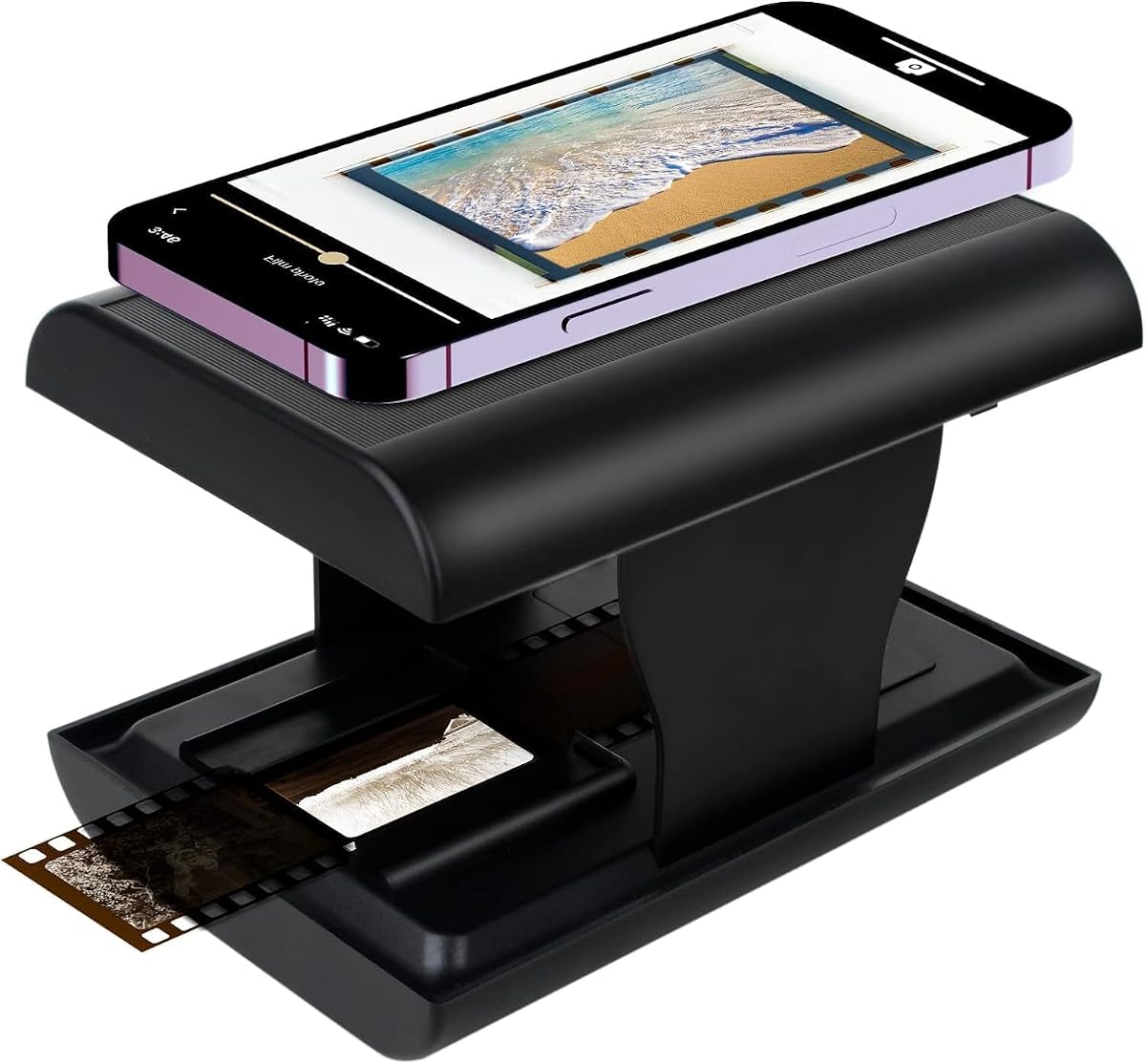
TCNEWCL 35mm Negative Slide Scanner
4.3Editor score
Foldable Portable Design
Smartphone Compatible Scanning
Built-In LED Backlight
Preserving your physical film archives requires a reliable device capable of handling delicate negatives and slides with precision. A high quality scanner ensures that your cherished memories are digitized without losing the unique grain and contrast inherent in black and white photography.
We evaluated ten leading models based on sensor resolution, ease of use, and compatibility with various film formats like 35mm and 126. Our analysis focuses on devices that deliver accurate color inversion and sharp details for monochrome images without requiring complex software setups.
Each pick below highlights specific strengths for different needs, from budget friendly portable tools to premium desktop units with large screens. Please note that availability and pricing can change frequently, so verify current details before making your final purchase decision.
4.3Editor score

4.3Editor score
4.3Editor score
As an Amazon Associate we earn from qualifying purchases.
The following table provides a side-by-side overview of the top ten models to help you quickly identify the right scanner for your specific film archiving needs and budget constraints.


The Magnasonic All-in-One Film Scanner stands out as a top choice for preserving film memories with high fidelity. Rated highly by users, it delivers sharp 24MP digital images that capture fine details in black and white negatives effectively.
We may earn a commission when you buy through this link, at no additional cost to you.
Its large 5-inch LCD screen allows you to view and edit scans directly on the device without needing a computer. This convenience makes it ideal for users who want a standalone solution for digitizing old slides and film strips quickly.
While it requires an SD card for storage and can be somewhat bulky for travel, the trade-off is significant processing power and ease of use. These factors make it a reliable tool for home archiving projects where speed and quality matter.
This scanner is best suited for hobbyists and families looking to preserve decades of physical photos in digital format. We recommend it for anyone seeking a balance between advanced features and user-friendly operation.
The 24MP resolution ensures that even small details in your negatives are captured clearly for future printing or sharing.
With built-in editing tools and a large screen, you can adjust colors and save images without connecting to a PC.
We may earn a commission when you buy through this link, at no additional cost to you.
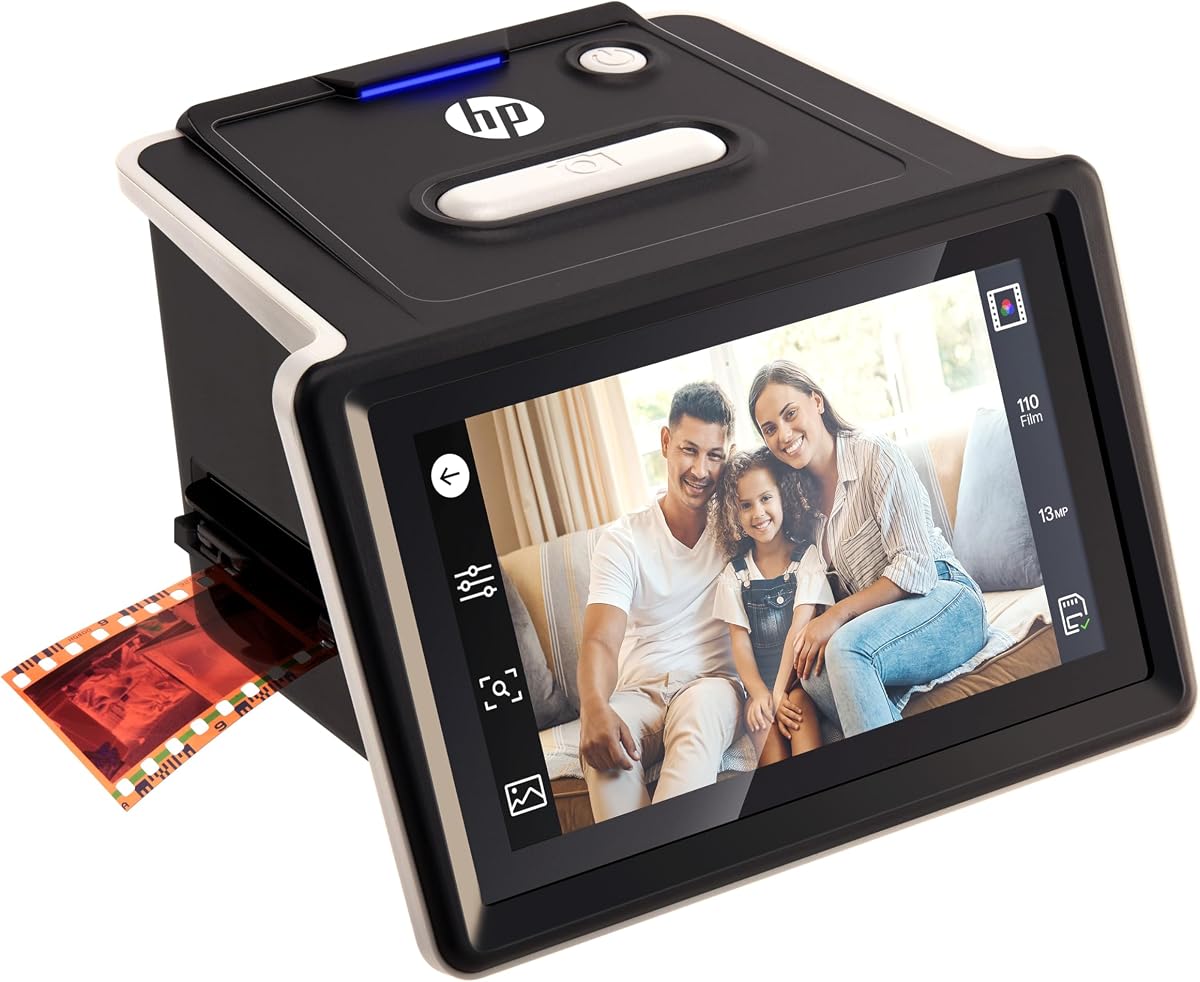
The HP Film & Slide Scanner HPFS500 brings a modern touch interface to the world of film digitization. With a 5-inch touchscreen and 13MP sensor, it offers professional-quality results that are easy to preview and manage on the go.
We may earn a commission when you buy through this link, at no additional cost to you.
Its USB-C power and multi-format scanning capabilities make it versatile for different film types like 135 and 126. The interpolation technology helps enhance detail, ensuring your black and white negatives look crisp and well-defined.
Although it carries a higher price tag and relies on SD cards for storage, the intuitive controls and gallery mode make it worth the investment. It is designed for users who value sleek design and robust performance in their workflow.
We recommend this scanner for those seeking a premium experience with the latest connectivity standards. It is an excellent choice for digitizing collections that require high precision and ease of use.
The all-angle LCD touch screen lets you navigate menus and edit images directly on the device with smooth gestures.
USB-C power allows you to run the device from a PC or adapter, making it adaptable to various setups.
We may earn a commission when you buy through this link, at no additional cost to you.
The TCNEWCL 35mm Negative Slide Scanner is a fantastic budget option for those who want to digitize slides without buying expensive hardware. It works by turning your smartphone into a scanning device, making it incredibly accessible for beginners.
We may earn a commission when you buy through this link, at no additional cost to you.
Its foldable design saves space and allows you to store it easily when not in use. The built-in LED backlight ensures that your film is properly illuminated, which is crucial for getting clear images even with a phone camera.
While the image quality depends on your phone's camera and it lacks standalone functionality, the convenience and low cost are significant benefits. It is perfect for quick projects or for families who want to preserve memories without a big investment.
We suggest this scanner for casual users who already have a good smartphone camera. It is a simple and effective way to start archiving old slides at home.
The foldable structure lets you pack it in a small box, making it ideal for travel or limited desk space.
The built-in LED backlight helps illuminate your negatives, ensuring you can see details clearly through your phone lens.
We may earn a commission when you buy through this link, at no additional cost to you.
The BEONEGLOBAL ClearScan MINI is designed for users who prioritize portability and ease of use. With a 16MP sensor and a compact form factor, it digitizes 35mm film quickly without needing a computer connection for basic tasks.
We may earn a commission when you buy through this link, at no additional cost to you.
Its ergonomic design places buttons right below the screen for natural operation, which reduces hand strain during long scanning sessions. The built-in editing options let you adjust brightness and rotate images before saving to an SD card.
While the screen is smaller than desktop models and lacks HDMI output, the speed and portability make it a strong contender for travel. It is ideal for photographers who need to scan on the go without carrying heavy equipment.
We recommend this device for anyone needing a lightweight tool for 35mm film. It balances functionality and size well for everyday digitization needs.
Front-facing buttons allow you to operate the scanner comfortably without awkward hand movements or bending.
Digitizing 126 and 135 film takes just seconds, saving you time when processing large batches of photos.
We may earn a commission when you buy through this link, at no additional cost to you.
The KODAK Slide N Scan Max offers a streamlined experience for converting various film types into digital files. It supports 135mm, 110mm, and 126mm formats, making it versatile for mixed collections of slides and negatives.
We may earn a commission when you buy through this link, at no additional cost to you.
Its smooth-moving tray feeds film without constant repositioning, which reduces the risk of damaging delicate negatives during scanning. Direct SD saving eliminates the need for a computer, allowing you to save memories directly to your storage card.
While it requires an SD card for saving and software for detailed editing, the one-touch editing feature simplifies basic adjustments like resizing and color conversion. This makes it a solid choice for users who want a straightforward workflow.
We suggest this scanner for families with a mix of film formats. It provides a reliable way to digitize old memories with minimal setup.
Accommodates 135mm, 110mm, and 126mm film, ensuring compatibility with a wide range of old photo formats.
Save directly to SD cards up to 32GB without needing a computer, enhancing portability and ease of use.
We may earn a commission when you buy through this link, at no additional cost to you.
This listing represents a potential option for black and white negative scanning, though specific details are currently unavailable in our source data. It is important to verify the product specifications before making a purchase decision.
We may earn a commission when you buy through this link, at no additional cost to you.
Users should check the product page directly for details on resolution, connectivity, and included accessories. Without clear data, it is difficult to assess how it compares to other established models in terms of performance.
If you find this item on the marketplace, ensure that it meets your needs for film type compatibility and output quality. Reading recent customer reviews can provide valuable insights into its real-world performance.
We recommend treating this as a secondary choice until more information becomes available. Focus on models with clear specs for a safer investment.
Always check the product page for specs before buying to ensure it meets your specific film scanning requirements.
We may earn a commission when you buy through this link, at no additional cost to you.
This entry is included as a potential alternative, though specific technical details are not currently provided. It may serve as a budget option for those looking to digitize basic slides or negatives.
We may earn a commission when you buy through this link, at no additional cost to you.
To ensure it fits your workflow, review the product details for sensor resolution and screen size. These factors are critical when deciding on a scanner for black and white images that require accurate contrast handling.
Since the data is incomplete, we advise comparing this model closely with others that have verified specifications. User feedback on the sales page can help clarify its strengths and weaknesses.
We suggest using this listing as a comparison point rather than a primary recommendation. Reliable specifications are key to a successful digitization project.
Compare this model with verified options to ensure you are getting the necessary features for your film collection.
We may earn a commission when you buy through this link, at no additional cost to you.
This product is listed as an option for film scanning, but we lack specific details on its capabilities. It may be suitable for users who need a basic tool for converting old photos.
We may earn a commission when you buy through this link, at no additional cost to you.
When evaluating this scanner, focus on whether it supports your specific film format and offers adequate resolution. Clear specifications are necessary to ensure the final digital images are of high quality.
Due to the limited information, it is wise to read user reviews for any hidden issues or unexpected benefits. This will help you decide if it is worth the investment.
We recommend prioritizing models with clear documentation for a better user experience. Ensure the scanner meets your technical needs before purchasing.
Read user reviews to get a clearer picture of performance since technical specs are not fully detailed.
We may earn a commission when you buy through this link, at no additional cost to you.
This listing offers another potential choice for scanning negatives and slides, though specifics are currently unavailable. It may appeal to those looking for a standard scanning solution at a competitive price.
We may earn a commission when you buy through this link, at no additional cost to you.
Verify the resolution and screen size to ensure it can handle black and white negatives effectively. Poor resolution can lead to loss of detail in your archived photos.
Since details are limited, we suggest looking for feedback from other buyers regarding image quality and ease of use. This will provide a more accurate assessment of the product's capabilities.
We recommend considering verified models for a more reliable experience. Clear information helps you avoid compatibility issues.
Look for buyer feedback on image quality to ensure the scanner meets your expectations for digitizing old photos.
We may earn a commission when you buy through this link, at no additional cost to you.
The Memory Vault Box Negative Scanner offers a complete kit designed for simple at-home use. It includes a slide holder, film holder, and cleaning brush, making it ready to use right out of the box for digitizing old photos.
We may earn a commission when you buy through this link, at no additional cost to you.
Its built-in LCD preview screen and simple buttons make it easy for beginners to use without complicated software. Advanced enhancement technology helps improve brightness and clarity, which is useful for restoring faded slides.
While it has a lower overall rating and does not include an SD card, the comprehensive kit and user-friendly design are strong points. It is suitable for those who prefer an all-in-one solution without technical setups.
We recommend this scanner for families looking to preserve history with minimal hassle. It provides the tools needed to start digitizing immediately.
Automatically improves brightness and natural color to help bring old faded slides back to life digitally.
Includes holders, brushes, and cables so you can start digitizing and converting negatives to digital photos immediately.
We may earn a commission when you buy through this link, at no additional cost to you.
Selecting the right scanner depends on your specific film formats, budget, and technical needs. This guide outlines key factors to consider for a successful digitization project.
Resolution determines the clarity of your digitized images, so look for models with at least 13MP to capture fine details. A high-quality sensor ensures accurate inversion of black and white tones without noise or distortion.
Prioritize scanners with higher MP counts for archival purposes to ensure your photos remain crisp for future use.
Ensure the scanner supports your specific film types such as 35mm, 126, or 110 to avoid purchasing a device that cannot handle your collection. Some models include trays for different formats while others may need accessories.
Check the product specifications to confirm it handles both negatives and slides if you have a mixed archive.
Models with built-in screens allow you to preview scans and adjust brightness or rotation directly on the device. This is useful if you do not want to rely on a computer for basic edits during the scanning process.
A larger screen improves ease of use, making it easier to frame images and spot issues before saving.
Consider how the device is powered and connected, such as USB or USB-C, to ensure it fits your workspace setup. Some scanners work wirelessly while others require cables that might limit mobility.
Choose a power source that is convenient for you, whether it is via computer connection or a standalone adapter.
Most scanners save directly to SD cards, so verify the maximum supported capacity to avoid running out of space mid-project. Some models also offer USB output options for direct transfer to a computer.
Ensure you have compatible storage media to avoid interruptions while digitizing large batches of photos.
User-friendly interfaces with clear buttons and intuitive menus save time and reduce frustration during long scanning sessions. Simple tools are often better for users who are not tech-savvy.
Look for models that require minimal setup so you can focus on preserving memories rather than troubleshooting.
Budget models may lack advanced features but can still be effective for basic scanning needs. Determine how much you are willing to spend versus the quality and speed you require for your project.
Invest in a slightly higher quality unit if you plan to digitize a large collection to ensure long-term reliability.
Choosing a known brand often ensures better support and availability of replacement parts or firmware updates. Reviews from other users can highlight potential issues with durability or image quality.
Selecting a reputable product helps minimize risks associated with technical failures during your archiving efforts.
Always start by cleaning your negatives with a soft brush to remove dust and debris that could affect scan quality. Proper handling prevents scratches and ensures the images are clear when digitized.
Insert the film carefully into the tray according to the manufacturer's guide to ensure it is aligned correctly. Check the preview on the screen before saving to confirm the image is framed and oriented properly.
Store your scanner in a dry, dust-free place when not in use to maintain its internal components. Keep it away from extreme temperatures to prolong its lifespan and ensure consistent performance over time.
Most modern film scanners allow you to save directly to an SD card without needing a computer. However, using a computer can provide more advanced editing options and easier file management.
A resolution of at least 13MP is recommended for capturing fine details in black and white negatives. Higher resolution ensures that prints will be sharp and clear for large format uses.
Many models support multiple formats like 35mm, 110, and 126, but you should check the specifications to be sure. Some units include separate trays or adaptors to accommodate different film sizes.
Use a soft, dry cloth or a specialized lens cleaning brush to gently remove dust from the lens area. Avoid harsh chemicals that could damage the optical components of the scanner.
Dark scans are often due to incorrect brightness settings or dirty film. Try adjusting the brightness manually on the scanner or clean the negatives before scanning again.
Yes, many models have simple buttons and large screens designed for ease of use. They often avoid complex software menus to make the process straightforward for users of all ages.
We reviewed ten top models to help you find the perfect solution for your film archiving needs, highlighting options for every budget and use case. The Magnasonic and HP models offer premium features for high-quality output, while portable options are great for travelers.
When choosing a scanner, prioritize resolution and compatibility with your film types to ensure your memories are preserved with clarity. Consider how often you will use it and whether you need standalone operation or computer connectivity.
Remember to check current prices and availability before purchasing as details can change over time. We hope this guide helps you digitize your precious collection efficiently and effectively.